
What We Do
We Offer High Quality & Affordable Brewery
Solutions Including Design And Equipment.
We Are Tiantai.
Tiantai design brewery with various scales like advanced and modern beer factory, exquisite bar restaurant. A complete brewery system are well designed and launched by our professional teams.
Tiantai has been verified by more than 1800 breweries in Europe, Australia, US, Canada, UK, Korea, Japan etc.
You need more information about our services and company capabilities?
Our Story
Who we are
Tiantai Company, a well-recognized manufacturer of beer and beverage equipment industry based in Jinan city of China, provides comlete lines and the turnkey service for breweries and beverage projects worldwide. Since 2001, Tiantai team has witnessed the rapid development of the industry with 19 years of experience.
Founded in 2012 and followed by the boom of the craft beer market, Tiantai Company is committed to the research and the development of diversed brewing process, customized equipment, automatic control, and datalized management. Up to now, Tiantai Company has served more than 1800 breweries in 94 countries.
Read More About Us
Our Latest Projects
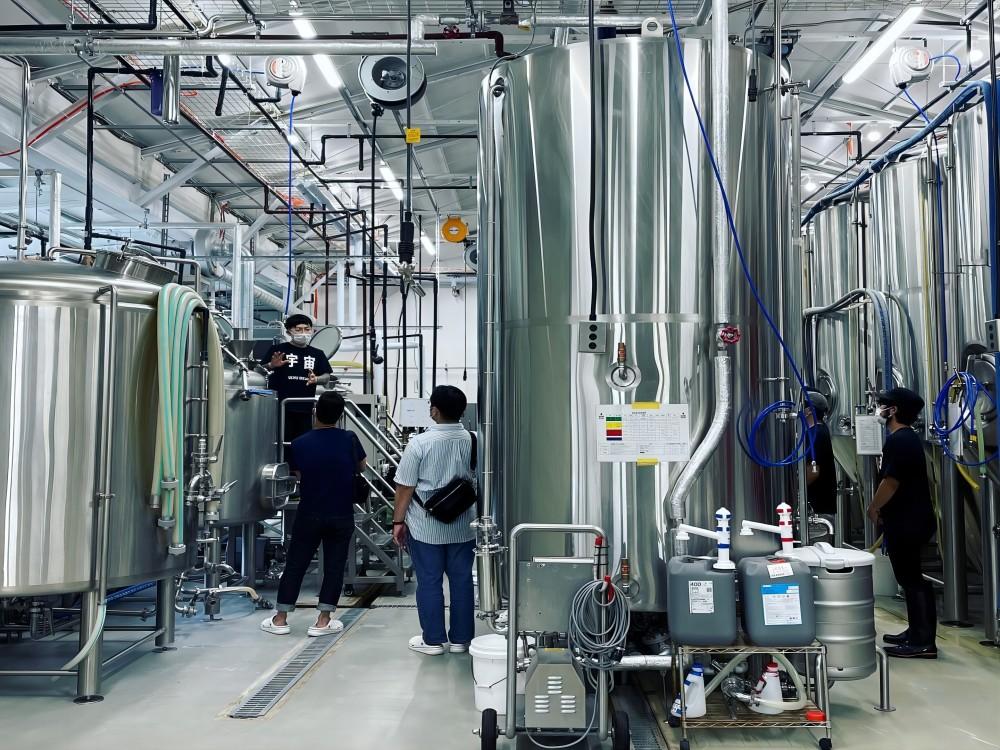
Our brewery projects are launched in Europe USA Canada Australia Latin America Korea, Japan.
View all Projects



What said about us
Why Choose Us
Tiantai team has witnessed the rapid development of the industry with 19 years of experience.Company is committed to the research and the development of diversed brewing process, customized equipment, automatic control, and datalized management.
Some Facts About Us
Leading Way in Brewery Design and Build!
Tiantai Company is committed to the research and the development of diversed brewing process, customized equipment, automatic control, and datalized management.Innovate in the process of continuously serving users.
More about us
20 years of quality and successful projects
Tiantai Company has grown into one of the leading company in brewery design and served more than 1800 breweries in 94 countries with our equipment and solutions along with gaining good reputations.
Reqest a QuoteFinsihed Projects
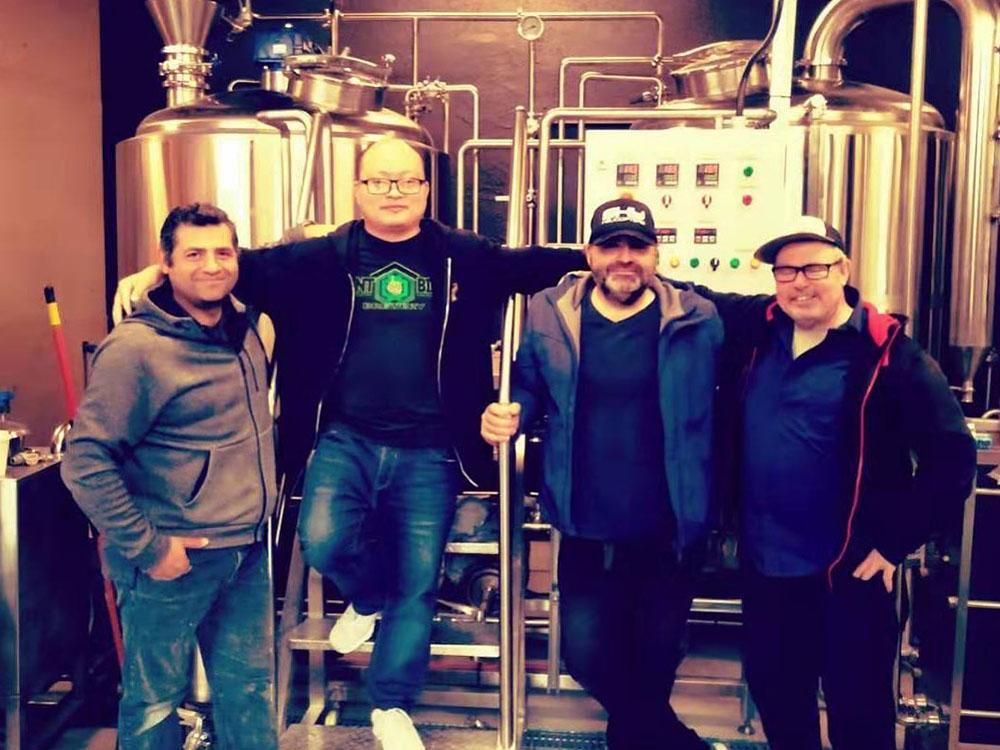
Happy Brewers
Quality Tanks
Manufacturing Area
What said about us
Customer Reviews

Ballistic Brewing Australia
"Over the last few months, I was lucky enough to have the opportunity to take 2 trips to China to inspect our brewing equipment as it was being manufactured. Having never... We ended up choosing Tiantai who we have heard about as they were the same mob that the Black hops blokes used. "
Via Facebook01.
Jo Tress America
"We purchased our 10 barel system from a company called Shandong Tiantai. I saw some good things about this company in forum, and called a guy who is using their equipment. I got a positive feedback. So our master brewer and I visited them before our purchase. I was very pleased with the quality and it turned out that my choice was correct. Everything works perfect in our brewery except several slight defects at beginning. Their after sales man Wang is very professional. "
Via Facebook02.
Pressure Drop Brewing America
"We are Pressure Drop Brewing out of buffalo, NY. We have been in production since November 1, 2017 and all of the equipment works great. No issues. Any minor damages(i.e. tear in a manway gasket) have been replaced by the company right away. "
Via Facebook03.
Cole Brown Mexico
"Tiantai is leagues ahead of the other Chinese manufacturers. Fv manway welds are clean, steel quality has been good so far (two years of use, regular acid washes here). "
Via Facebook04.We Talk
Latest Blog

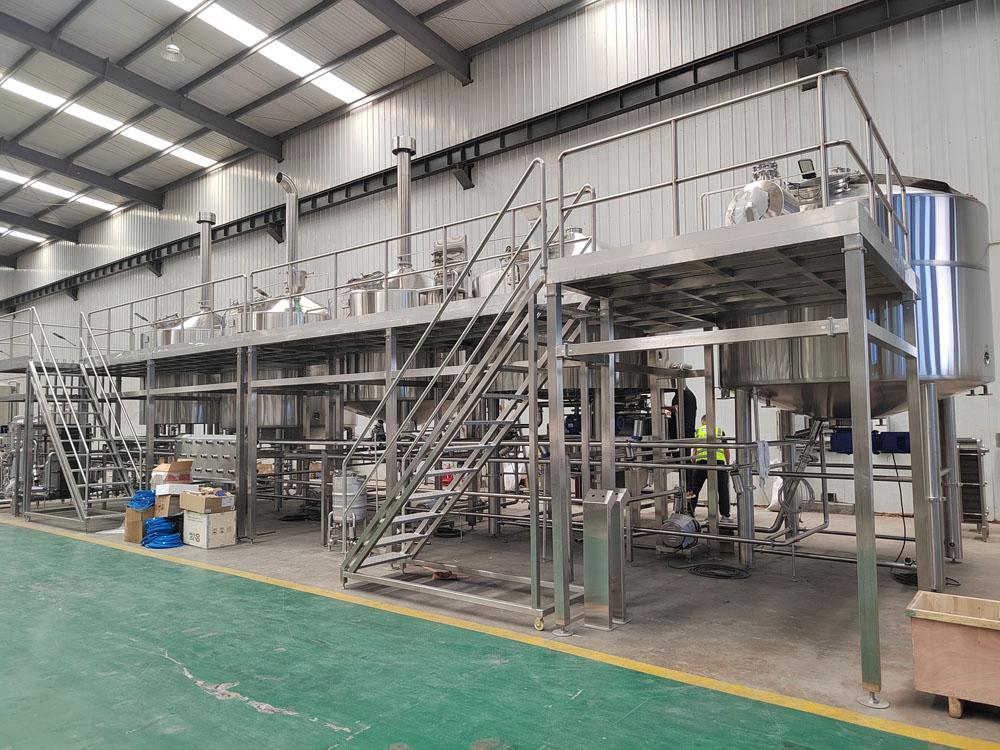
Tiantai Delivers High-Efficiency 4000L Brewhouse System to Kenya
Jun 06, 2026
Tiantai Beer Equipment Company proudly announces the successful delivery of a 4000L high-efficiency b...
Why a Buffer Tank Makes the Difference in Continuous Brewing
Jun 06, 2026
Why a Buffer Tank Makes the Difference in Continuous Brewing: Four-Vessel vs Five-Vessel Brewhouse Sy...

Start Your Craft Brewery with Professional Brewing Equipment
Jun 04, 2026
The global craft beer industry continues to grow rapidly as consumers seek fresh flavors, local brewi...

The advantages of Pipe Chain Conveyor in a brewery
Jun 02, 2026
In modern brewery material handling systems, conveying equipment can generally be divided into severa...

The importance of yeast in beer brewing
Jun 01, 2026
When people think about beer, they often focus on malt, hops, and brewing equipment. However, yeast i...

Do you know how to brew honey wine?
Jun 01, 2026
Honey wine, normally know as mead, is one of the oldest alcoholic beverages in human history. Made fr...


Get a Quote
Want to start your own brewery now. Just send your idea by email.