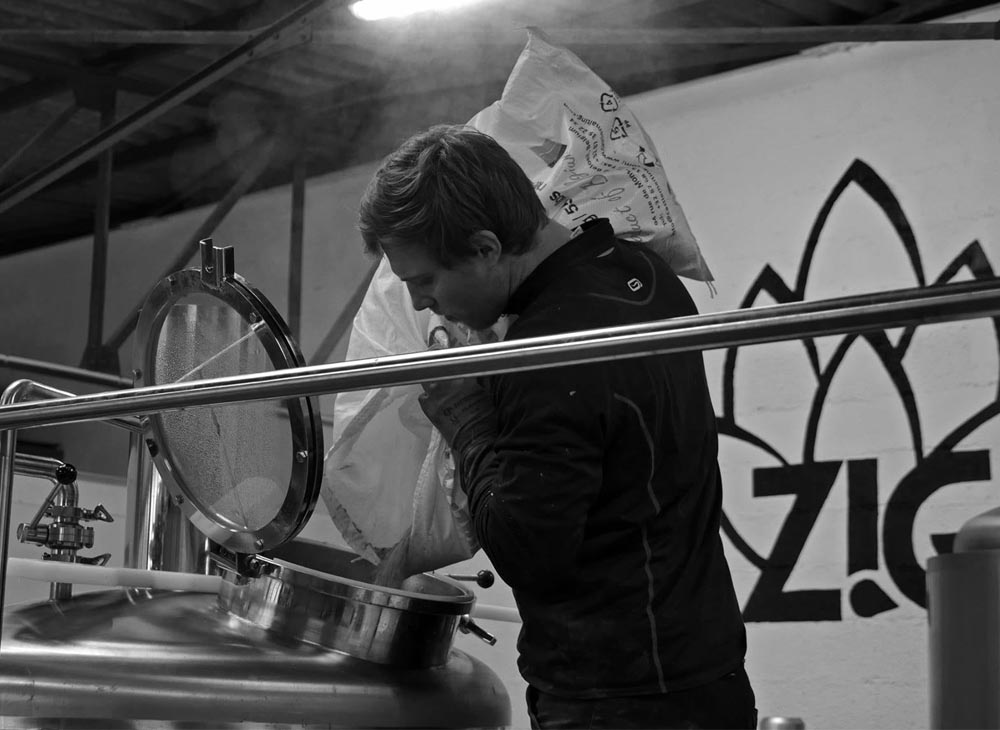
Avoiding Common Equipment Selection Mistakes When Building a Brewery
- Jan 17, 2026
- 56
- tiantai
In the previous articles, we discussed the differences between industrial and craft beer, and how those differences translate into brewery equipment design and investment structure. With that foundation in place, this article focuses on a critical question for new brewery projects:
How can you avoid costly equipment selection mistakes when building a brewery?
1. Mistake One: Choosing Equipment Based on Maximum Capacity Instead of Real Demand
One of the most common mistakes is selecting equipment based on “future potential” rather than realistic short-term sales.
Many new projects invest in oversized brewhouse systems while underestimating:
Fermentation time requirements
Sales ramp-up speed
Cash flow pressure in the first years
In practice, fermentation capacity and sales channels limit production long before the brewhouse does.
2. Mistake Two: Over-Automation at the Start
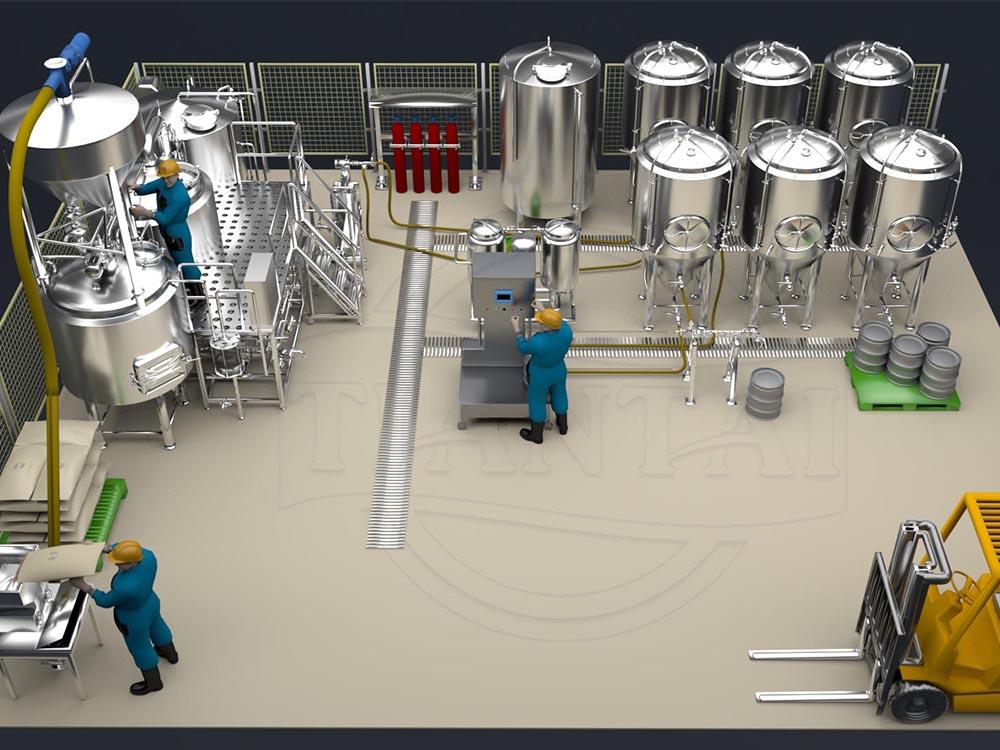
Highly automated systems are often perceived as more advanced, but for new breweries they can create unexpected challenges.
Potential issues include:
Higher upfront investment
Increased reliance on stable utilities and technical support
Reduced process visibility for inexperienced teams
For most startups, a well-designed semi-automatic system offers better learning control and lower risk.
3. Mistake Three: Ignoring Utility System Matching
Utility systems are frequently planned as an afterthought, yet they strongly affect both cost and daily operation.
Common problems include:
Boilers or chillers sized far beyond actual needs
Electrical infrastructure exceeding local supply limits
Heat recovery systems that are rarely used
Utilities should be designed to match actual brewing rhythm, not theoretical maximum output.
4. Mistake Four: Poor Fermentation Tank Planning
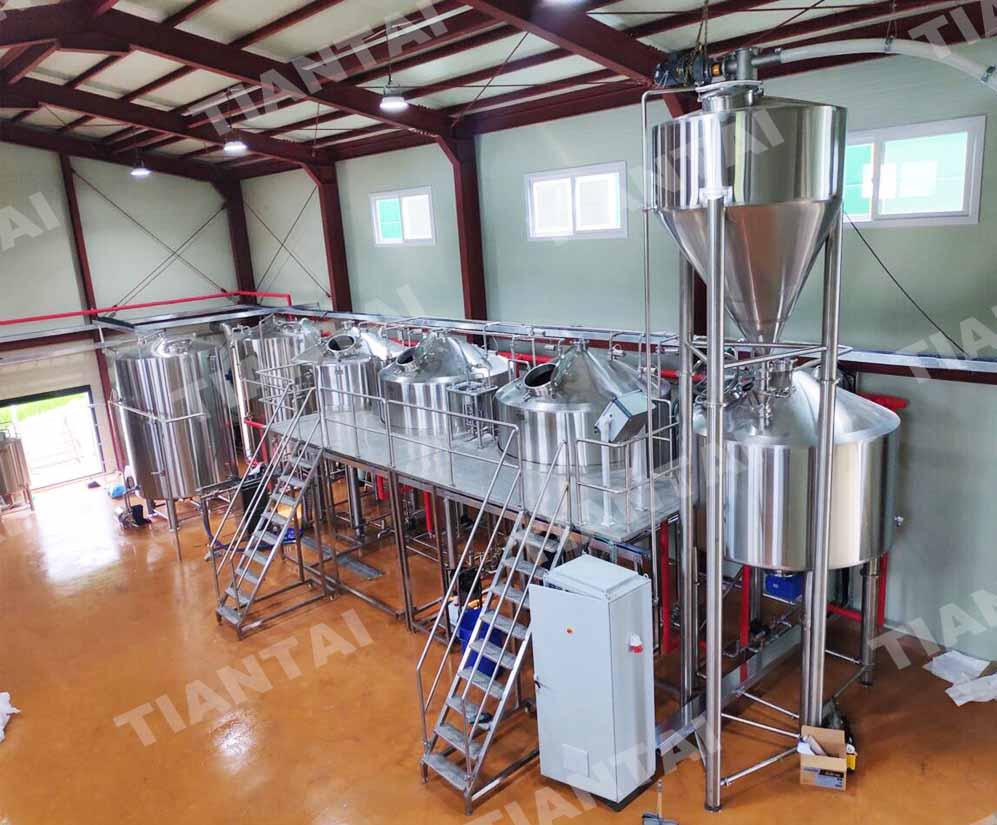
Another frequent mistake is focusing mainly on the brewhouse while underestimating fermentation requirements.
Key miscalculations include:
Too few fermentation tanks
Tank sizes that do not match brewing frequency
Lack of flexibility for different beer styles
A balanced fermentation plan improves production stability and reduces scheduling pressure.
5. Mistake Five: Designing Without an Expansion Path
Some breweries design only for the first stage of operation, leaving no clear path for growth.
This can lead to:
Space limitations for adding tanks
Utility systems that cannot be upgraded easily
Costly structural changes later
A good brewery design should allow step-by-step expansion without major disruption.
6. Mistake Six: Prioritising Equipment Price Over Total Project Cost
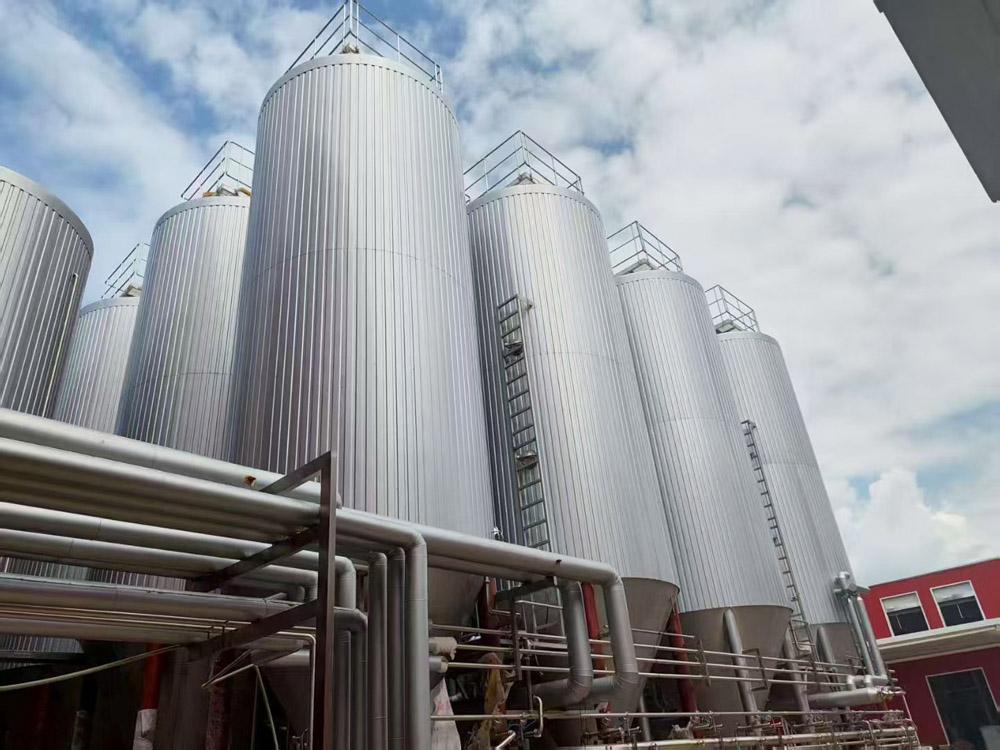
Comparing equipment prices without considering the full project scope often leads to incorrect decisions.
Total cost includes:
Installation and commissioning
Utility integration
Training and after-sales support
A lower equipment price does not always mean a lower project cost.
Final Advice: Think in Systems, Not in Individual Machines
A brewery is not a collection of isolated tanks and vessels — it is an integrated production system.
Before finalising equipment selection, new brewery projects should clearly define:
Target market and product range
Realistic production volume in the first 2–3 years
Available utilities and operational capabilities
Avoiding early selection mistakes not only reduces investment risk but also creates a more sustainable brewery operation.

Contact Nicole to discuss further for your brewery set up plan. Cheers!
Nicole Zhou | Tiantai beer equipment
Email: [email protected]
How can you avoid costly equipment selection mistakes when building a brewery?
1. Mistake One: Choosing Equipment Based on Maximum Capacity Instead of Real Demand
One of the most common mistakes is selecting equipment based on “future potential” rather than realistic short-term sales.
Many new projects invest in oversized brewhouse systems while underestimating:
Fermentation time requirements
Sales ramp-up speed
Cash flow pressure in the first years
In practice, fermentation capacity and sales channels limit production long before the brewhouse does.
2. Mistake Two: Over-Automation at the Start
Highly automated systems are often perceived as more advanced, but for new breweries they can create unexpected challenges.
Potential issues include:
Higher upfront investment
Increased reliance on stable utilities and technical support
Reduced process visibility for inexperienced teams
For most startups, a well-designed semi-automatic system offers better learning control and lower risk.
3. Mistake Three: Ignoring Utility System Matching
Utility systems are frequently planned as an afterthought, yet they strongly affect both cost and daily operation.
Common problems include:
Boilers or chillers sized far beyond actual needs
Electrical infrastructure exceeding local supply limits
Heat recovery systems that are rarely used
Utilities should be designed to match actual brewing rhythm, not theoretical maximum output.
4. Mistake Four: Poor Fermentation Tank Planning
Another frequent mistake is focusing mainly on the brewhouse while underestimating fermentation requirements.
Key miscalculations include:
Too few fermentation tanks
Tank sizes that do not match brewing frequency
Lack of flexibility for different beer styles
A balanced fermentation plan improves production stability and reduces scheduling pressure.
5. Mistake Five: Designing Without an Expansion Path
Some breweries design only for the first stage of operation, leaving no clear path for growth.
This can lead to:
Space limitations for adding tanks
Utility systems that cannot be upgraded easily
Costly structural changes later
A good brewery design should allow step-by-step expansion without major disruption.
6. Mistake Six: Prioritising Equipment Price Over Total Project Cost
Comparing equipment prices without considering the full project scope often leads to incorrect decisions.
Total cost includes:
Installation and commissioning
Utility integration
Training and after-sales support
A lower equipment price does not always mean a lower project cost.
Final Advice: Think in Systems, Not in Individual Machines
A brewery is not a collection of isolated tanks and vessels — it is an integrated production system.
Before finalising equipment selection, new brewery projects should clearly define:
Target market and product range
Realistic production volume in the first 2–3 years
Available utilities and operational capabilities
Avoiding early selection mistakes not only reduces investment risk but also creates a more sustainable brewery operation.
Contact Nicole to discuss further for your brewery set up plan. Cheers!
Nicole Zhou | Tiantai beer equipment
Email: [email protected]
.jpg)