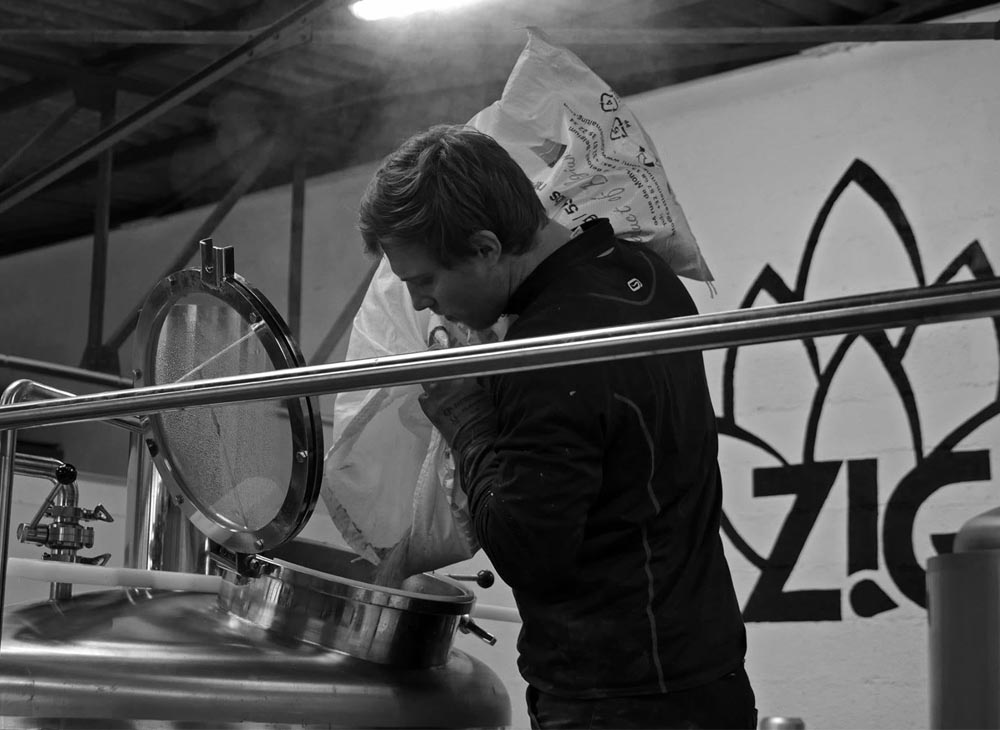
Barley Preparation for Distilling: Milling Size Control and Dust Collection Design
- Mar 16, 2026
- 50
- tiantai
In distillery production, especially when using 100% barley or unmalted barley, the preparation of raw materials before mashing is extremely important. Proper milling not only affects mash mixing and enzyme efficiency, but also influences fermentation performance and equipment stability.
A typical barley preparation system for distilling includes several key components:
Grain hopper
Claw mill or hammer mill
Cyclone separator
Grist case (intermediate hopper)
Dust collection system
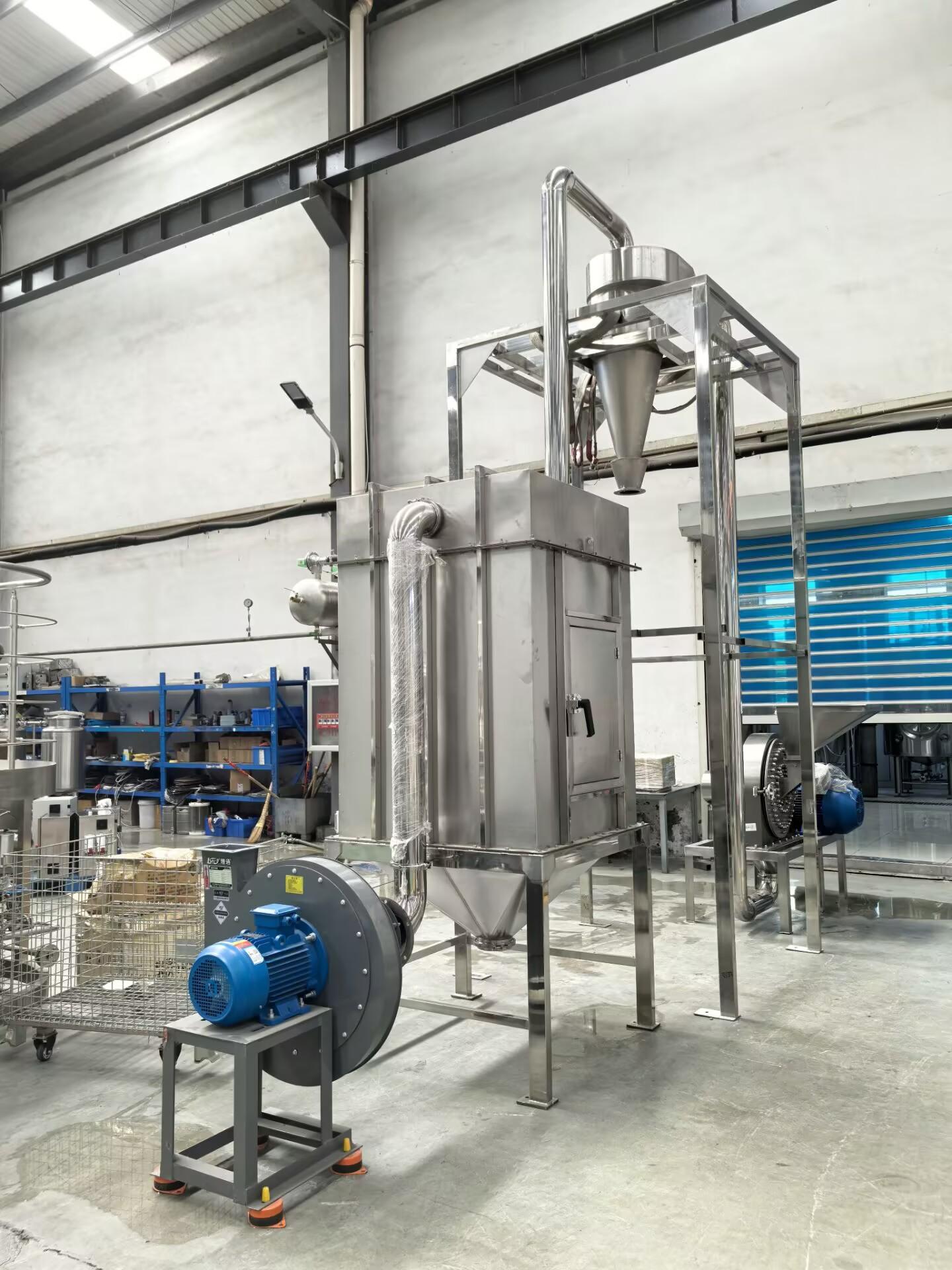
This article explains how barley milling works, how particle size is controlled, and how cyclone and pulse bag dust collectors are used to maintain a clean and safe milling system.
Unlike flour production, distilleries do not require extremely fine grinding. Instead, the goal is to produce a controlled particle size distribution that allows efficient starch conversion while keeping the mash fluid enough for agitation and pumping.
The typical milling target for distilling is around:
0.5 mm – 1.2 mm particle size
Grinding too fine can create excessive flour, which may cause:
**Thick mash consistency
**Difficult mixing
**Sedimentation problems
**Reduced heat transfer efficiency
Therefore, distillery milling systems aim for a balanced particle size distribution rather than a single exact size.
A claw mill uses high-speed rotating teeth (claws) to impact and break the barley kernels. Compared with roller mills, claw mills are better suited for:
Unmalted barley
Hard grains
Large capacity grain preparation
High throughput suitable for distillery production.
Simple structure and easy maintenance.
Compatible with screen control for particle size adjustment.

The principle is simple:
**Barley enters the grinding chamber.
**Rotating claws break the grain.
**Particles pass through the screen only when they are small enough.
For example:
Particles larger than the screen opening remain inside the mill until they are crushed further.
A typical milling distribution may look like:
This distribution is normal and acceptable for most distillery processes.
The key objective is to avoid excessive fine powder, which can negatively affect mash viscosity and mixing.
A cyclone uses centrifugal force to separate solid particles from the airflow.
The airflow spins rapidly inside the chamber.
Centrifugal force pushes heavier particles toward the wall.
The particles fall into the bottom hopper.
Clean air exits through the top outlet.
1. Material separation
It separates the ground barley from the conveying air before the grain enters the grist hopper.
2. Pre-dust removal
Large particles and most grain dust are collected before the air reaches the dust collector
Cyclones typically remove 70–90% of solid particles, especially larger grain fragments.
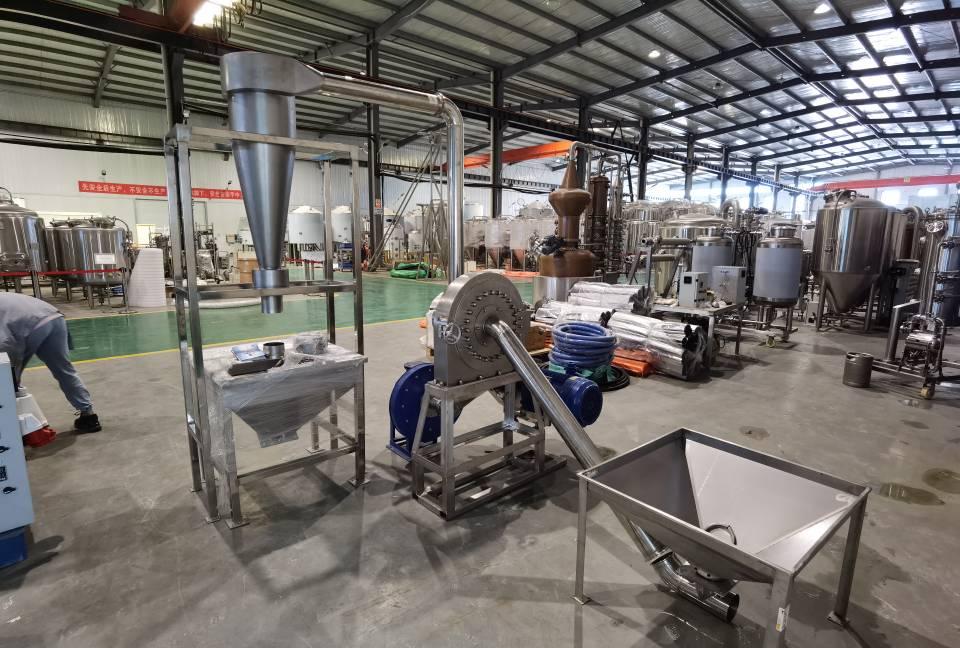
Filter bags
Compressed air pulse cleaning system
Dust hopper
Exhaust fan
Fine particles are captured on the filter bags.
Clean air exits the system.
Periodically, compressed air pulses remove dust from the bags.
The dust falls into the hopper for disposal.
Very high filtration efficiency (up to 99%)
Automatic cleaning
Stable airflow
Reduced environmental dust emissions
The typical configuration is:
Mill → Cyclone → Pulse Bag Dust Collector → Exhaust Fan
Benefits of this design include:
Reduced load on filter bags
Longer filter life
Improved dust removal efficiency
Cleaner production environment
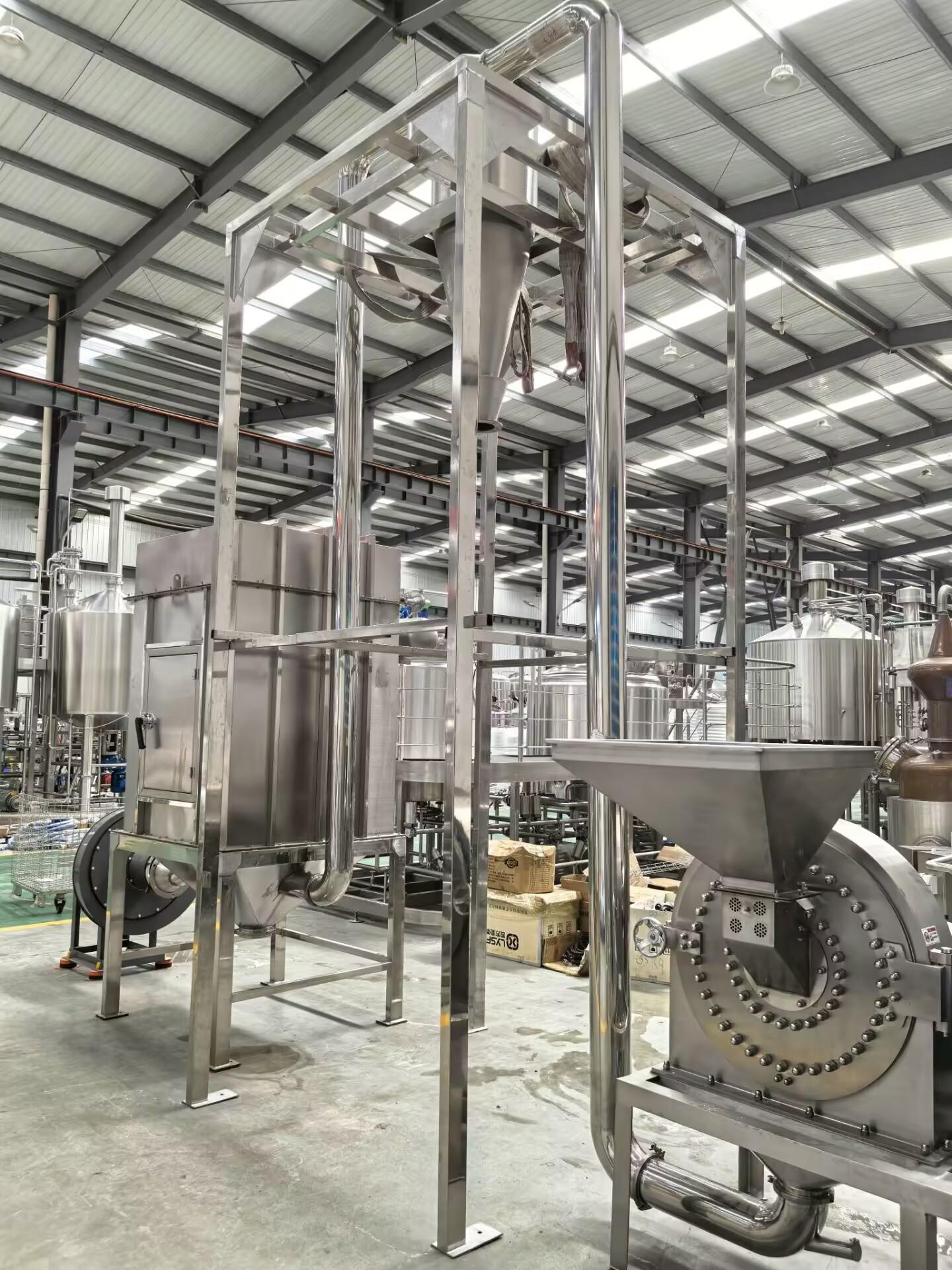
**Grain hopper
**Claw mill
**Cyclone separator
**Pulse bag dust collector
**Grist case (intermediate hopper)
**Screw conveyor to mash tun
This system ensures:
**Stable milling capacity
**Controlled particle size
**Reduced dust pollution
**Reliable feeding to the mash process
Using a claw mill with appropriate screens, combined with cyclone separation and pulse bag dust collection, allows distilleries to achieve:
**Consistent grist quality
**Safe and clean production environments
**Reliable mash preparation
As distillery automation continues to improve, well-designed grain processing systems are becoming a key factor in ensuring consistent fermentation performance and high-quality spirits.
Are you planning to set up a distillery now? Contact Nicole now to get a complete solution and updated price. Cheers!
Contact Nicole now!
Email: [email protected]
Sales manager of Tiantai beer equipment co
A typical barley preparation system for distilling includes several key components:
Grain hopper
Claw mill or hammer mill
Cyclone separator
Grist case (intermediate hopper)
Dust collection system
This article explains how barley milling works, how particle size is controlled, and how cyclone and pulse bag dust collectors are used to maintain a clean and safe milling system.
Barley Milling in Distilleries
Before mashing, whole barley grains must be crushed to increase the surface area for enzymatic conversion.Unlike flour production, distilleries do not require extremely fine grinding. Instead, the goal is to produce a controlled particle size distribution that allows efficient starch conversion while keeping the mash fluid enough for agitation and pumping.
The typical milling target for distilling is around:
0.5 mm – 1.2 mm particle size
Grinding too fine can create excessive flour, which may cause:
**Thick mash consistency
**Difficult mixing
**Sedimentation problems
**Reduced heat transfer efficiency
Therefore, distillery milling systems aim for a balanced particle size distribution rather than a single exact size.
Claw Mill for Barley Crushing
One commonly used machine in distillery grain preparation is the claw mill.A claw mill uses high-speed rotating teeth (claws) to impact and break the barley kernels. Compared with roller mills, claw mills are better suited for:
Unmalted barley
Hard grains
Large capacity grain preparation
Advantages of Claw Mills
Strong crushing capability for hard barley.High throughput suitable for distillery production.
Simple structure and easy maintenance.
Compatible with screen control for particle size adjustment.
How Particle Size Is Controlled
Most claw mills use replaceable screens.The principle is simple:
**Barley enters the grinding chamber.
**Rotating claws break the grain.
**Particles pass through the screen only when they are small enough.
For example:
| Screen size | Typical output particle size |
| 1.5 mm screen | 0.6 – 1.5 mm |
| 1.0 mm screen | 0.3 – 1.0 mm |
| 0.8 mm screen | finer grist with more flour |
Particle Size Distribution in Barley Milling
Even with a defined screen size, the final product will contain different fractions.A typical milling distribution may look like:
| Particle type | Size | Approximate ratio |
| Coarse particles | >1 mm | 10–20% |
| Target grist | 0.5–1 mm | 60–70% |
| Fine flour | <0.5 mm | 10–20% |
The key objective is to avoid excessive fine powder, which can negatively affect mash viscosity and mixing.
Cyclone Separator in the Milling System
After milling, the mixture of ground barley and air enters a cyclone separator.A cyclone uses centrifugal force to separate solid particles from the airflow.
How a Cyclone Works
Dust-laden air enters the cyclone tangentially.The airflow spins rapidly inside the chamber.
Centrifugal force pushes heavier particles toward the wall.
The particles fall into the bottom hopper.
Clean air exits through the top outlet.
Function in Barley Milling Systems
The cyclone performs two important roles:1. Material separation
It separates the ground barley from the conveying air before the grain enters the grist hopper.
2. Pre-dust removal
Large particles and most grain dust are collected before the air reaches the dust collector
Cyclones typically remove 70–90% of solid particles, especially larger grain fragments.
Pulse Bag Dust Collector
Although the cyclone removes most particles, fine dust still remains in the exhaust air. This is where a pulse bag dust collector becomes important.Structure
A typical pulse dust collector includes:Filter bags
Compressed air pulse cleaning system
Dust hopper
Exhaust fan
Working Principle
Dust-laden air enters the dust collector.Fine particles are captured on the filter bags.
Clean air exits the system.
Periodically, compressed air pulses remove dust from the bags.
The dust falls into the hopper for disposal.
Advantages
Pulse bag dust collectors offer:Very high filtration efficiency (up to 99%)
Automatic cleaning
Stable airflow
Reduced environmental dust emissions
Combined Cyclone and Dust Collector Design
In many modern grain processing systems, the cyclone and pulse bag filter are used together.The typical configuration is:
Mill → Cyclone → Pulse Bag Dust Collector → Exhaust Fan
Benefits of this design include:
Reduced load on filter bags
Longer filter life
Improved dust removal efficiency
Cleaner production environment
This combination is commonly used in distilleries, breweries, feed mills, and grain processing plants.
Typical Barley Milling System for Distilleries
A complete barley preparation system may include:**Grain hopper
**Claw mill
**Cyclone separator
**Pulse bag dust collector
**Grist case (intermediate hopper)
**Screw conveyor to mash tun
This system ensures:
**Stable milling capacity
**Controlled particle size
**Reduced dust pollution
**Reliable feeding to the mash process
Conclusion
Efficient barley preparation is essential for stable distillery production. Properly designed milling systems should balance particle size control, process efficiency, and dust management.Using a claw mill with appropriate screens, combined with cyclone separation and pulse bag dust collection, allows distilleries to achieve:
**Consistent grist quality
**Safe and clean production environments
**Reliable mash preparation
As distillery automation continues to improve, well-designed grain processing systems are becoming a key factor in ensuring consistent fermentation performance and high-quality spirits.
Are you planning to set up a distillery now? Contact Nicole now to get a complete solution and updated price. Cheers!
Contact Nicole now!
Email: [email protected]
Sales manager of Tiantai beer equipment co


.jpg)