Beverage Production Line: Equipment, Process and Cost Explained
- Jul 22, 2026
- 167
- tiantai
The beverage industry continues to grow worldwide, driven by increasing demand for bottled water, soft drinks, juices, functional beverages, and ready-to-drink products. For entrepreneurs and beverage companies planning to enter this market, understanding the required equipment, production process, and investment cost is essential before starting a new project.
A beverage production line is a complete manufacturing system that transforms raw materials and ingredients into finished products ready for the market. The design of the production line depends on factors such as beverage type, production capacity, packaging format, and automation level.This article explains the main equipment, production process, and cost considerations for building a beverage manufacturing plant.
1. Main Equipment Required for a Beverage Production Line
A complete beverage production line usually consists of several key sections, each performing a specific function during manufacturing.Water Treatment System
High-quality water is the foundation of beverage production. A water treatment system removes impurities and ensures the water meets food and beverage production standards.Typical equipment includes:
Sand filter
Activated carbon filter
Water softener
Reverse osmosis system
UV steriliser
Ozone generator
Precision filtration system
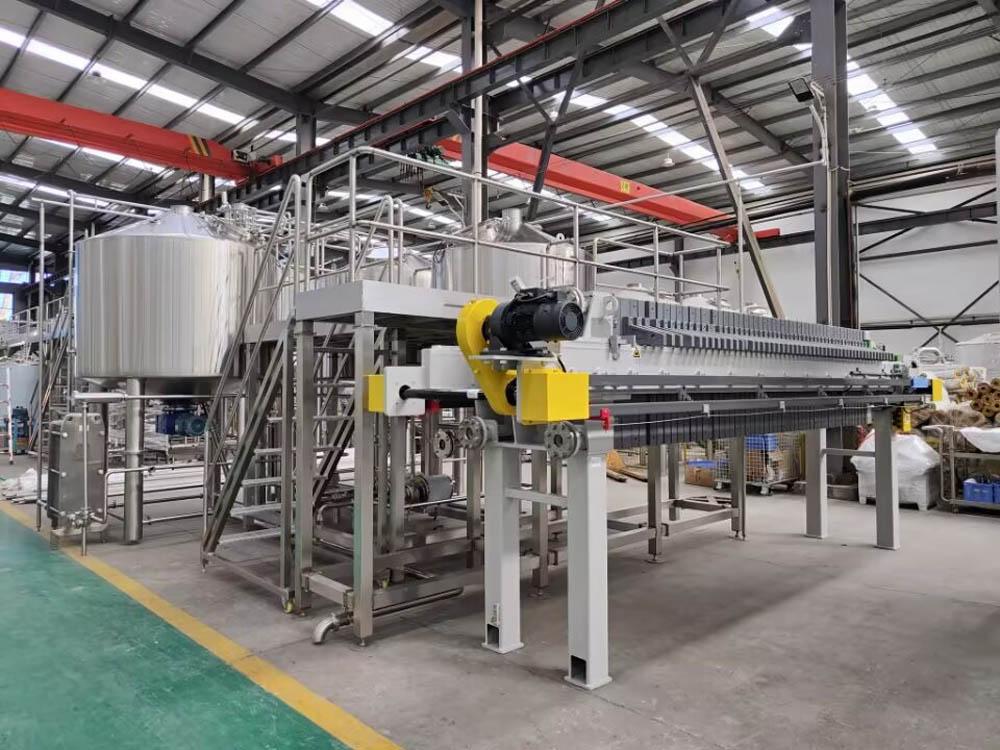
The treatment process can be customised according to the final product requirements. For example, bottled water production requires different water specifications compared with juice or carbonated beverages.
Beverage Mixing and Preparation System
After water treatment, ingredients are prepared and mixed according to the product formula.The preparation section may include:
Sugar dissolving tank
Syrup preparation tank
Mixing tank
Blending tank
Storage tank
Dosing system
For carbonated beverages, a carbonator is required to dissolve CO₂ into the product. For juice beverages, additional equipment such as pulp handling systems or homogenisers may be needed to improve product stability.
The mixing process directly affects beverage taste, consistency, and shelf life, so accurate temperature control and ingredient dosing are important.
Sterilisation and Heat Treatment Equipment
Different beverages require different preservation methods.Common sterilisation technologies include:
Pasteurisation
Pasteurisation uses controlled heat treatment to reduce microorganisms while maintaining product flavour.It is commonly used for:
Juice
Tea beverages
Some dairy beverages
UHT Sterilisation
Ultra-high-temperature treatment provides longer shelf life and is suitable for products requiring extended storage.Cold Processing Technologies
Some premium beverages use cold processing methods combined with aseptic filling to protect nutrients and flavour.The correct sterilisation method depends on the product formula and packaging requirements.
Filling and Packaging Equipment
The filling system is one of the most important parts of a beverage production line.Common filling solutions include:
PET bottle filling line
Glass bottle filling line
Aluminium can filling line
A complete packaging section may include:
Bottle rinsing machine
Filling machine
Capping machine
Labelling machine
Date coding machine
Shrink wrapping machine
Carton packing machine
Modern integrated filling machines combine multiple functions into one unit, reducing production space and improving efficiency.
2. Beverage Production Process Flow
Although different beverages have different recipes, the general production process follows a similar structure.Step 1: Raw Water Treatment
The incoming water is purified through filtration and sterilisation systems to achieve the required quality.↓
Step 2: Ingredient Preparation
Ingredients such as sugar, flavours, concentrates, fruit juice, or additives are prepared and stored.↓
Step 3: Mixing and Blending
All ingredients are accurately mixed according to the recipe.↓
Step 4: Sterilisation
The beverage undergoes heat treatment or another sterilisation process to ensure product safety.↓
Step 5: Filling and Capping
The finished beverage is filled into bottles, cans, or other containers under controlled hygienic conditions.↓
Step 6: Labelling and Packaging
Products are labelled, coded, packed, and prepared for transportation.↓
Step 7: Quality Inspection
Finished products are checked for appearance, filling volume, sealing quality, and product safety.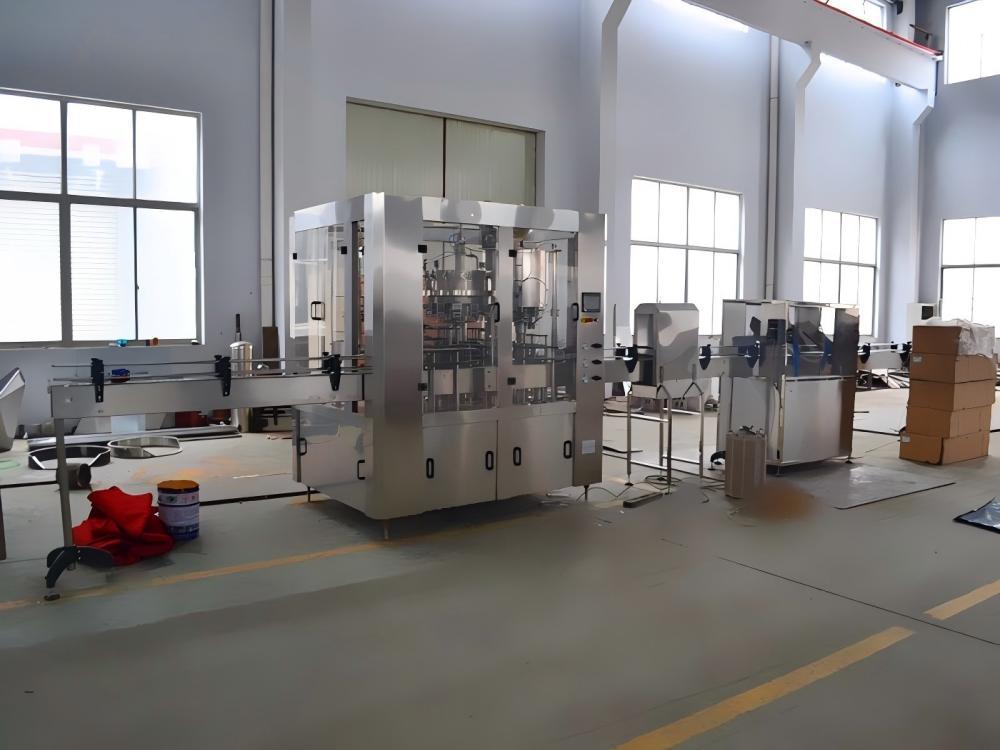
3. How Much Does a Beverage Production Line Cost?
The cost of a beverage production line varies significantly depending on capacity, automation level, product type, and equipment configuration.Small Beverage Production Line
Suitable for startups or small beverage brands.Typical capacity:
1,000–3,000 bottles per hour
Approximate investment:
USD 100,000–300,000
This type of line usually includes basic water treatment, mixing tanks, filling equipment, and packaging machines.
Medium Beverage Production Line
Suitable for growing beverage companies.Typical capacity:
5,000–15,000 bottles per hour
Approximate investment:
USD 300,000–1,000,000
These systems usually include higher automation, improved production efficiency, and more advanced packaging solutions.
Large Industrial Beverage Production Line
Designed for large-scale beverage manufacturers.Typical capacity:
More than 20,000 bottles per hour
Investment:
USD 1,000,000+
Large projects may include complete factory planning, automated logistics, advanced filling technology, and integrated quality control systems.
4. Factors Affecting Beverage Production Line Cost
Several factors influence the final investment:Beverage Type
Different products require different technologies.For example:
Bottled water requires mainly purification and filling.
Carbonated drinks require carbonation systems.
Juice requires mixing, sterilisation, and possibly homogenisation.
Dairy beverages require stricter temperature control and hygiene standards.
Production Capacity
Higher output requires larger equipment, faster filling machines, and stronger supporting systems.Automation Level
A fully automatic production line requires higher initial investment but reduces labour costs and improves production consistency.Packaging Type
PET bottles, glass bottles, and aluminium cans require different filling and packaging equipment.Factory Requirements
A complete beverage plant may also require:CIP cleaning system
Air compressor
Boiler or hot water system
Cooling system
Laboratory equipment
Factory piping and electrical installation
5. How to Choose the Right Beverage Production Line Supplier
Choosing an experienced beverage equipment manufacturer is important for the long-term success of a project.A reliable supplier should provide:
Complete engineering design
Customised equipment solutions
Food-grade stainless steel manufacturing
Installation and commissioning support
Operator training
After-sales service
A turnkey beverage production solution allows investors to manage the entire project through one professional partner, from initial design to final production.
Conclusion
A beverage production line is a complete system combining water treatment, ingredient preparation, mixing, sterilisation, filling, packaging, and cleaning processes.The investment cost depends on many factors, including beverage type, production capacity, automation level, and factory requirements. By choosing the right equipment configuration and an experienced manufacturer, beverage companies can build an efficient production facility with stable quality and competitive operating costs.
Whether you are planning a bottled water plant, juice factory, carbonated drink production line, or other beverage project, a customised turnkey solution can help turn your business idea into a successful production operation.
Email:[email protected]
Nicole

.jpg)