
CO₂ Recovery Systems for Modern Commercial Breweries
- Jul 31, 2026
- 84
- tiantai
In modern commercial breweries, sustainability is becoming increasingly important. Large commercial breweries consume significant quantities of CO₂ every day for carbonation, tank purging, beer transfer, packaging, and other processes. At the same time, beer fermentation naturally generates a considerable amount of CO₂.
This creates an opportunity for commercial breweries: instead of releasing fermentation CO₂ and purchasing additional CO₂ from external suppliers, the brewery can recover, purify, liquefy, store, and reuse its own fermentation CO₂.
Tiantai Brewtech CO₂ Recovery Systems are designed primarily for large commercial breweries where the scale of CO₂ production and consumption can justify the investment in recovery equipment.
I. Is CO₂ Recovery System Suitable for Every Brewery?
Not necessarily.
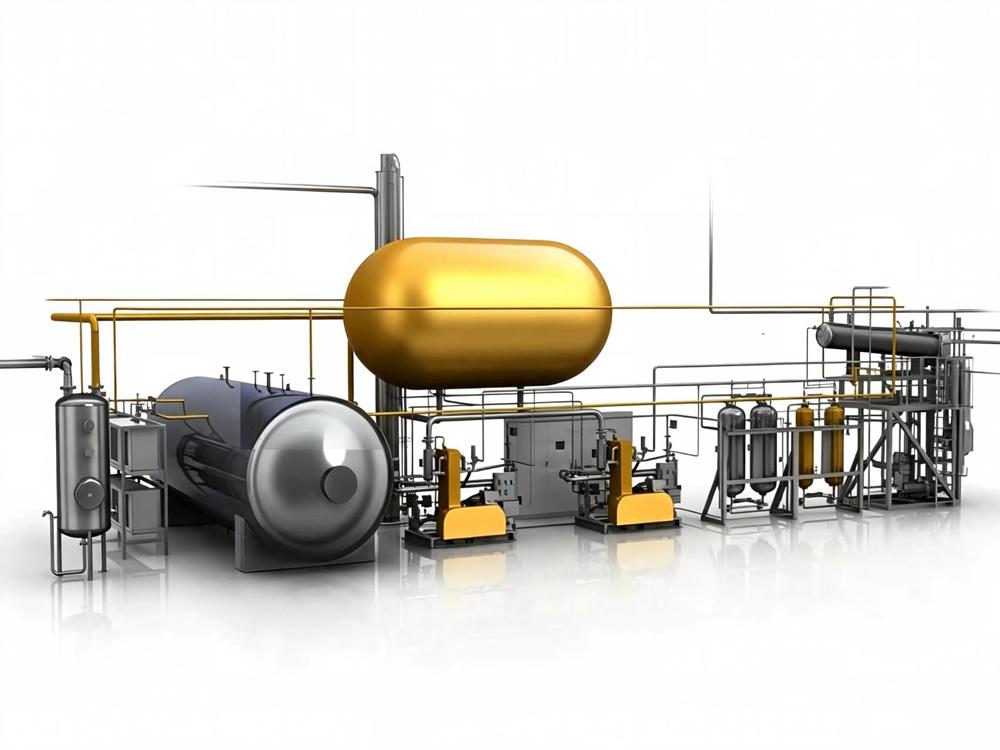
A complete CO₂ recovery system involves specialized equipment for gas collection, purification, drying, compression, liquefaction, storage, and control. As a result, the initial investment and operating requirements are considerably higher than those of conventional brewery utilities.
For a small craft brewery, the amount of CO₂ generated during fermentation may be too limited to justify the cost of a complete recovery system. In such cases, purchasing food-grade CO₂ from a reliable local supplier is often a more practical and economical solution.
For this reason, Tiantai Brewtech generally does not recommend CO₂ recovery systems for small craft breweries solely for the purpose of reducing CO₂ purchasing costs.
Instead, CO₂ recovery becomes much more attractive for large commercial breweries, such as breweries producing approximately 50,000 KL, 100,000 KL, or more of beer per year, depending on local CO₂ prices, production schedules, energy costs, and the brewery's actual CO₂ consumption.
For these breweries, the quantity of CO₂ generated and consumed can make recovery a much more meaningful long-term investment.
II. Why Do Commercial Breweries Need CO₂?
CO₂ is an essential process gas in modern beer production.
Large breweries may use CO₂ for:
- Beer carbonation
- BBT and bright beer tank purging
- Fermentation tank purging
- Beer transfer
- Kegging
- Bottling and canning
- Packaging line operations
- Tank pressure control
- Oxygen removal from pipelines and equipment
As brewery production increases, CO₂ consumption can become substantial.
At the same time, alcoholic fermentation continuously generates CO₂. The brewery therefore has a natural internal source of CO₂ that would otherwise be lost.
A recovery system allows the brewery to connect these two sides of the process.
III. How Does a CO₂ Recovery System Work?
A typical recovery process begins with the fermentation tanks.
During the early stage of fermentation, the gas released from the fermenter may contain oxygen and other unwanted components. Therefore, the initial gas is normally vented rather than immediately sent to the recovery system.
Once the fermentation reaches the appropriate stage and the CO₂ quality is suitable, the recovery system begins collecting the gas.
A typical process can include:
Fermentation Tanks → CO₂ Collection → Gas Cleaning → Drying → Compression → Purification → Liquefaction → Liquid CO₂ Storage → Reuse
The exact configuration depends on the brewery's production capacity, fermentation process, required CO₂ quality, storage requirements, and local operating conditions.
IV. CO₂ Collection and Purification
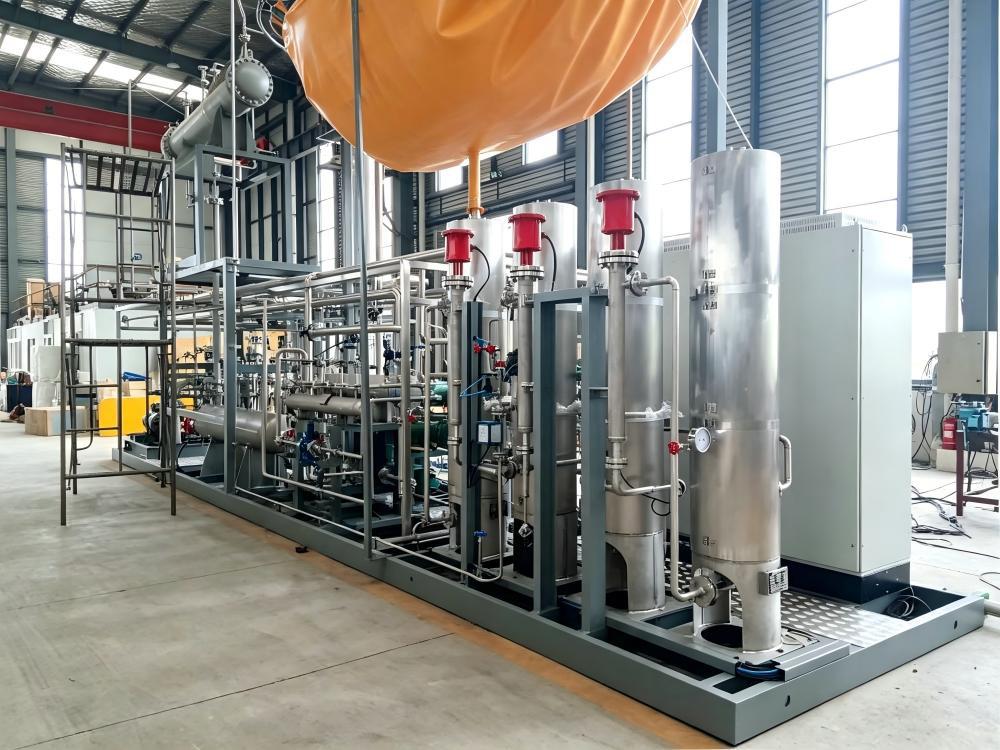
Dedicated CO₂ collection pipelines connect the fermentation tanks to the recovery system.
Pressure-control devices and automatic valves regulate the gas flow and help maintain safe operating conditions for the fermenters.
After collection, the CO₂ passes through appropriate treatment stages to remove moisture and unwanted impurities.
Depending on the system design, purification and drying equipment can be used to achieve the required CO₂ quality for subsequent brewery applications.
For breweries intending to reuse recovered CO₂ in direct-contact applications such as beer carbonation and packaging, appropriate purification and quality control are particularly important.
V. Compression, Liquefaction and Storage
After purification, the recovered CO₂ is compressed to a higher pressure and then cooled to produce liquid CO₂.
Liquefaction provides an efficient way to store a large quantity of recovered CO₂ in a relatively compact tank.
This is particularly valuable for large breweries because CO₂ generation and CO₂ consumption do not always occur at exactly the same time.
With sufficient storage capacity, CO₂ recovered during fermentation can be stored and subsequently used for carbonation, tank purging, packaging, and other brewery operations.
VI. Reusing Recovered CO₂
Once purified and stored, recovered CO₂ can be returned to the brewery's process system.
Typical applications include:
1. Beer Carbonation
Recovered CO₂ can be used to carbonate finished beer according to the required product specifications.
2. Tank Purging
CO₂ can be used to displace oxygen from fermentation vessels, bright beer tanks, pipelines, and other equipment.
3. Beer Transfer
CO₂ pressure can assist in transferring beer between vessels while minimizing oxygen pickup.
4. Packaging
Depending on the packaging system, recovered CO₂ can be used during kegging, bottling, and canning operations.
5. Tank Pressure Control
CO₂ can also be used to maintain the required pressure in tanks during storage and processing.
VII. Economic and Environmental Benefits
For a large commercial brewery, CO₂ recovery can provide both economic and environmental advantages.
The first potential benefit is a reduction in externally purchased CO₂. The larger the brewery's CO₂ consumption and fermentation output, the greater the potential value of recovering its own CO₂.
The second benefit is improved resource efficiency.
Instead of releasing fermentation CO₂ while simultaneously purchasing additional CO₂ from external suppliers, the brewery can establish a more circular internal CO₂ supply.
CO₂ recovery can therefore become part of a brewery's broader strategy for reducing waste, improving resource utilization, and supporting sustainability objectives.
However, the economic benefit should always be evaluated on a project-by-project basis. Factors such as annual beer production, CO₂ consumption, local CO₂ prices, energy costs, operating hours, and the required recovery capacity all influence the return on investment.
VIII. Designed for Large-Scale Commercial Brewery Projects
Tiantai Brewtech recommends evaluating CO₂ recovery primarily for large-scale commercial breweries, particularly projects with annual production in the range of 50,000 tons, 100,000 tons, or above.
For smaller breweries, a conventional external CO₂ supply may remain the more economical choice.
For large breweries, however, the combination of high CO₂ consumption and substantial fermentation CO₂ generation can create a strong foundation for an efficient recovery system.
Tiantai Brewtech can develop customized CO₂ recovery solutions based on:
- Annual beer production
- Number and capacity of fermenters
- Fermentation schedule
- Estimated CO₂ generation
- Annual CO₂ consumption
- Required CO₂ purity
- Storage capacity
- Installation space
- Automation and control requirements
IX. Recover What Your Brewery Already Produces
CO₂ is more than a by-product of fermentation. For a commercial brewery, it can become a valuable process resource.
By recovering, purifying, liquefying, storing, and reusing fermentation CO₂, large breweries can reduce dependence on external CO₂ supplies while improving resource efficiency and supporting long-term sustainability goals.
Tiantai Brewtech CO₂ Recovery Systems are designed for commercial breweries where scale makes recovery a practical and economically meaningful investment. If you are interested, do not hesitate to contact us for getting detailed quotation, specification, drawing etc.
This creates an opportunity for commercial breweries: instead of releasing fermentation CO₂ and purchasing additional CO₂ from external suppliers, the brewery can recover, purify, liquefy, store, and reuse its own fermentation CO₂.
Tiantai Brewtech CO₂ Recovery Systems are designed primarily for large commercial breweries where the scale of CO₂ production and consumption can justify the investment in recovery equipment.
I. Is CO₂ Recovery System Suitable for Every Brewery?
Not necessarily.
A complete CO₂ recovery system involves specialized equipment for gas collection, purification, drying, compression, liquefaction, storage, and control. As a result, the initial investment and operating requirements are considerably higher than those of conventional brewery utilities.
For a small craft brewery, the amount of CO₂ generated during fermentation may be too limited to justify the cost of a complete recovery system. In such cases, purchasing food-grade CO₂ from a reliable local supplier is often a more practical and economical solution.
For this reason, Tiantai Brewtech generally does not recommend CO₂ recovery systems for small craft breweries solely for the purpose of reducing CO₂ purchasing costs.
Instead, CO₂ recovery becomes much more attractive for large commercial breweries, such as breweries producing approximately 50,000 KL, 100,000 KL, or more of beer per year, depending on local CO₂ prices, production schedules, energy costs, and the brewery's actual CO₂ consumption.
For these breweries, the quantity of CO₂ generated and consumed can make recovery a much more meaningful long-term investment.
II. Why Do Commercial Breweries Need CO₂?
CO₂ is an essential process gas in modern beer production.
Large breweries may use CO₂ for:
- Beer carbonation
- BBT and bright beer tank purging
- Fermentation tank purging
- Beer transfer
- Kegging
- Bottling and canning
- Packaging line operations
- Tank pressure control
- Oxygen removal from pipelines and equipment
As brewery production increases, CO₂ consumption can become substantial.
At the same time, alcoholic fermentation continuously generates CO₂. The brewery therefore has a natural internal source of CO₂ that would otherwise be lost.
A recovery system allows the brewery to connect these two sides of the process.
III. How Does a CO₂ Recovery System Work?
A typical recovery process begins with the fermentation tanks.
During the early stage of fermentation, the gas released from the fermenter may contain oxygen and other unwanted components. Therefore, the initial gas is normally vented rather than immediately sent to the recovery system.
Once the fermentation reaches the appropriate stage and the CO₂ quality is suitable, the recovery system begins collecting the gas.
A typical process can include:
Fermentation Tanks → CO₂ Collection → Gas Cleaning → Drying → Compression → Purification → Liquefaction → Liquid CO₂ Storage → Reuse
The exact configuration depends on the brewery's production capacity, fermentation process, required CO₂ quality, storage requirements, and local operating conditions.
IV. CO₂ Collection and Purification
Dedicated CO₂ collection pipelines connect the fermentation tanks to the recovery system.
Pressure-control devices and automatic valves regulate the gas flow and help maintain safe operating conditions for the fermenters.
After collection, the CO₂ passes through appropriate treatment stages to remove moisture and unwanted impurities.
Depending on the system design, purification and drying equipment can be used to achieve the required CO₂ quality for subsequent brewery applications.
For breweries intending to reuse recovered CO₂ in direct-contact applications such as beer carbonation and packaging, appropriate purification and quality control are particularly important.
V. Compression, Liquefaction and Storage
After purification, the recovered CO₂ is compressed to a higher pressure and then cooled to produce liquid CO₂.
Liquefaction provides an efficient way to store a large quantity of recovered CO₂ in a relatively compact tank.
This is particularly valuable for large breweries because CO₂ generation and CO₂ consumption do not always occur at exactly the same time.
With sufficient storage capacity, CO₂ recovered during fermentation can be stored and subsequently used for carbonation, tank purging, packaging, and other brewery operations.
VI. Reusing Recovered CO₂
Once purified and stored, recovered CO₂ can be returned to the brewery's process system.
Typical applications include:
1. Beer Carbonation
Recovered CO₂ can be used to carbonate finished beer according to the required product specifications.
2. Tank Purging
CO₂ can be used to displace oxygen from fermentation vessels, bright beer tanks, pipelines, and other equipment.
3. Beer Transfer
CO₂ pressure can assist in transferring beer between vessels while minimizing oxygen pickup.
4. Packaging
Depending on the packaging system, recovered CO₂ can be used during kegging, bottling, and canning operations.
5. Tank Pressure Control
CO₂ can also be used to maintain the required pressure in tanks during storage and processing.
VII. Economic and Environmental Benefits
For a large commercial brewery, CO₂ recovery can provide both economic and environmental advantages.
The first potential benefit is a reduction in externally purchased CO₂. The larger the brewery's CO₂ consumption and fermentation output, the greater the potential value of recovering its own CO₂.
The second benefit is improved resource efficiency.
Instead of releasing fermentation CO₂ while simultaneously purchasing additional CO₂ from external suppliers, the brewery can establish a more circular internal CO₂ supply.
CO₂ recovery can therefore become part of a brewery's broader strategy for reducing waste, improving resource utilization, and supporting sustainability objectives.
However, the economic benefit should always be evaluated on a project-by-project basis. Factors such as annual beer production, CO₂ consumption, local CO₂ prices, energy costs, operating hours, and the required recovery capacity all influence the return on investment.
VIII. Designed for Large-Scale Commercial Brewery Projects
Tiantai Brewtech recommends evaluating CO₂ recovery primarily for large-scale commercial breweries, particularly projects with annual production in the range of 50,000 tons, 100,000 tons, or above.
For smaller breweries, a conventional external CO₂ supply may remain the more economical choice.
For large breweries, however, the combination of high CO₂ consumption and substantial fermentation CO₂ generation can create a strong foundation for an efficient recovery system.
Tiantai Brewtech can develop customized CO₂ recovery solutions based on:
- Annual beer production
- Number and capacity of fermenters
- Fermentation schedule
- Estimated CO₂ generation
- Annual CO₂ consumption
- Required CO₂ purity
- Storage capacity
- Installation space
- Automation and control requirements
IX. Recover What Your Brewery Already Produces
CO₂ is more than a by-product of fermentation. For a commercial brewery, it can become a valuable process resource.
By recovering, purifying, liquefying, storing, and reusing fermentation CO₂, large breweries can reduce dependence on external CO₂ supplies while improving resource efficiency and supporting long-term sustainability goals.
Tiantai Brewtech CO₂ Recovery Systems are designed for commercial breweries where scale makes recovery a practical and economically meaningful investment. If you are interested, do not hesitate to contact us for getting detailed quotation, specification, drawing etc.
.jpg)


