Beer Mashing vs. Distillery Mashing: The Key Process Differences Explained
- May 09, 2026
- 122
- tiantai
Although both brewing and distilling use the term “mashing”, the actual process and equipment design differ significantly. At first glance, beer brewing systems and distillery systems may look similar, but their process objectives are fundamentally different.
The primary difference can be summarized in one sentence:
Beer mashing is designed to produce clear wort through filtration, while distillery mashing focuses on maximizing starch conversion without the need for filtration.
Because of this difference, brewing and distilling systems vary in grain milling, mash tun design, agitation requirements, and overall process flow.
This article explains the key technical differences between beer mashing systems and distillery mashing systems.
Typical process flow:
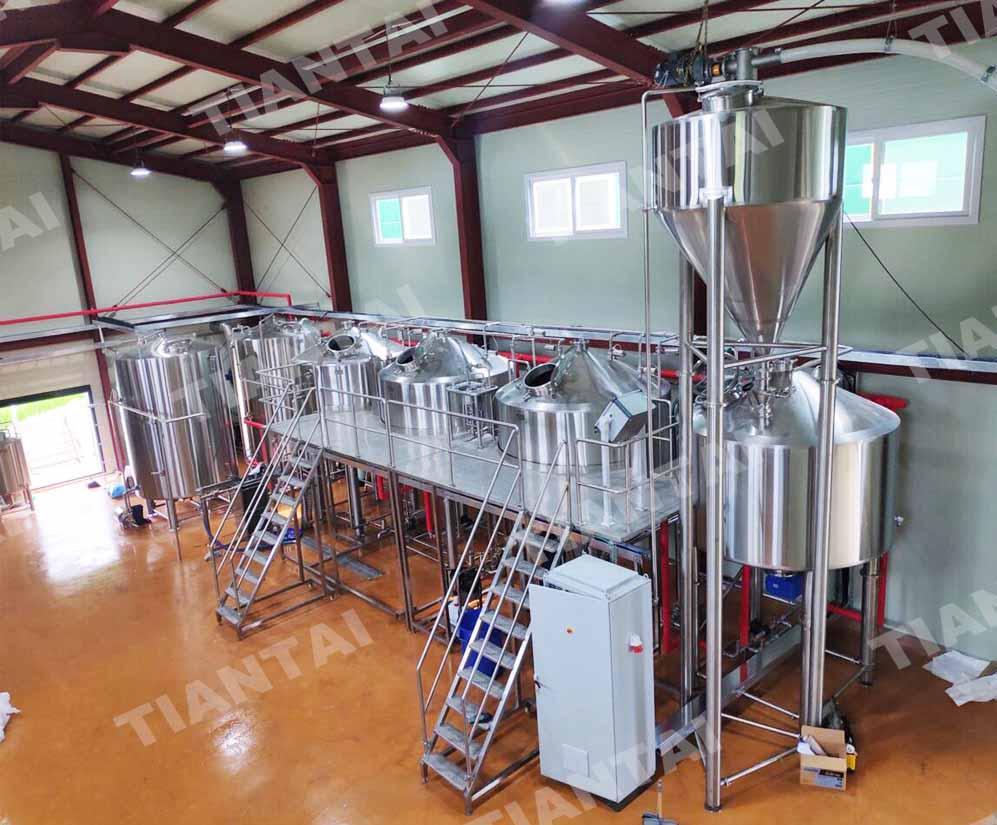
Mash → Lauter Tun → Clear Wort → Boiling
During the lautering step, the grain bed acts as a natural filter, separating the sweet wort from the spent grain.
Because of this filtration requirement, brewers must maintain a specific grain structure during milling.
Instead of producing clear wort, the goal is simply to convert as much starch as possible into fermentable sugars before fermentation and distillation.
Typical process flow:
Mash → Fermentation → Distillation
In many distilleries, the mash contains suspended grain solids when it enters the fermenter. This method is commonly known as grain-in fermentation.
Since no filtration stage is required, distillery mashing systems can operate with finer particle sizes and higher solid content.
Typical particle size: 1.2 mm – 2 mm
Benefits include:
Intact husks forming a good filter bed
Reduced fine flour content
Improved lautering performance
Typical particle size: 0.5 mm – 1.2 mm
Advantages include:
Higher starch exposure
Faster enzymatic conversion
Suitable for hard or unmalted grains
Since filtration is not required, a higher proportion of fine particles is acceptable.
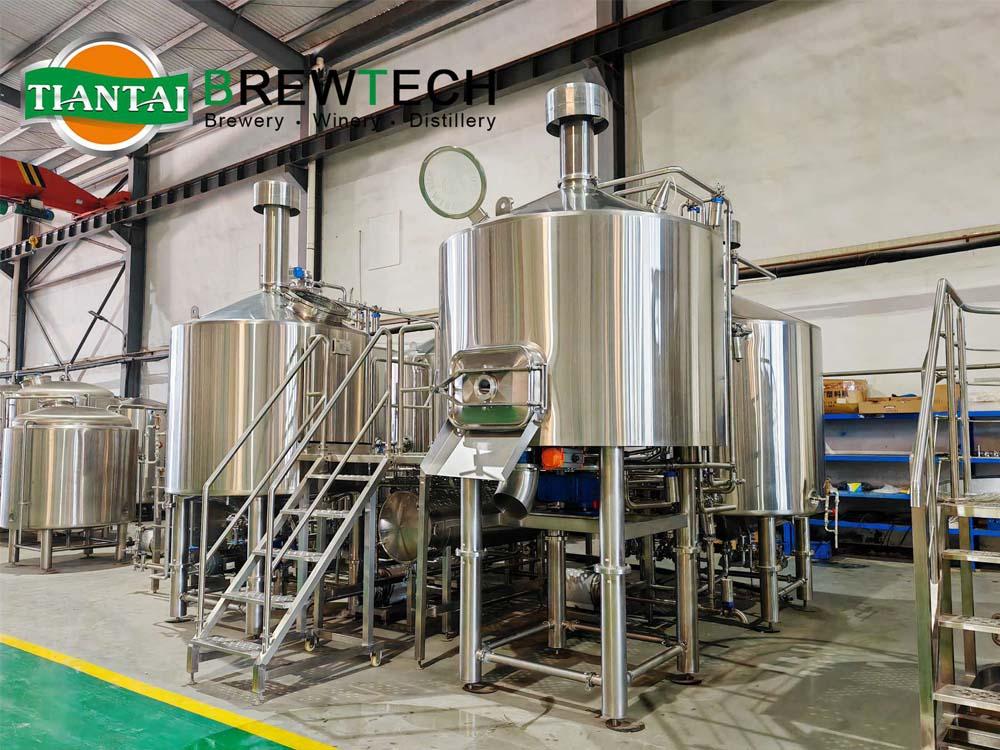
Common configuration:
*Mash Tun
*Lauter Tun
*Boiling Kettle
*Whirlpool
The lauter tun contains a false bottom filter plate, which allows clear wort to pass while retaining the grain bed.
Because of the filtration requirement, the mash must remain relatively fluid and well-structured.
A typical setup may include:
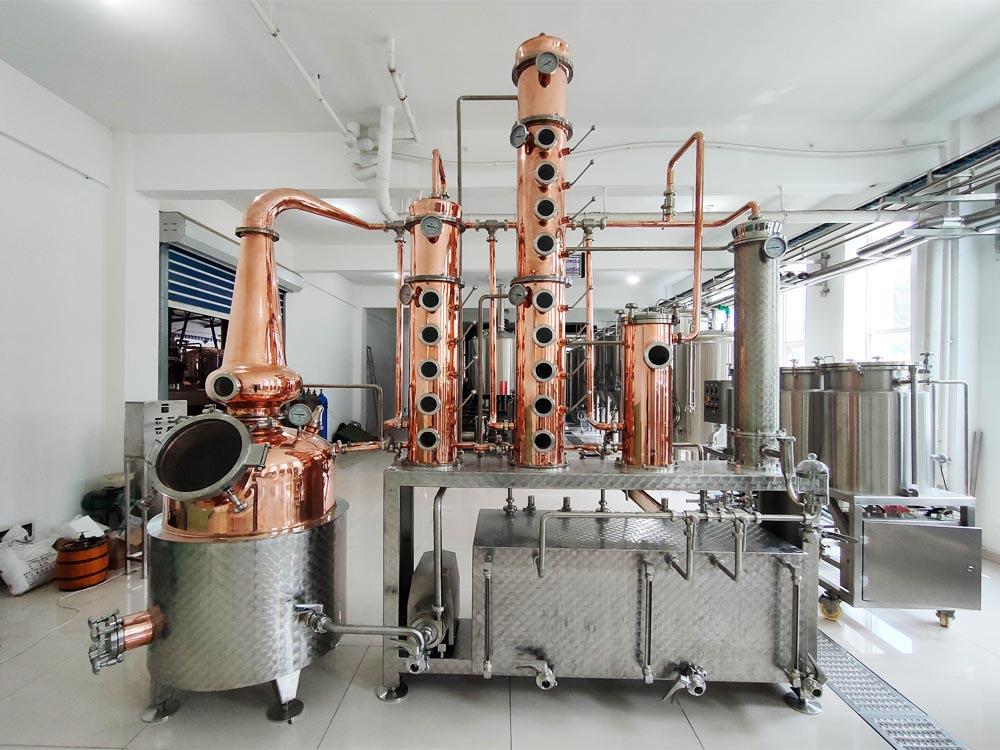
Mash Tun → Fermenter → Still
The mash tun is mainly responsible for:
Heating and mixing
Enzymatic conversion
Transfer to fermentation
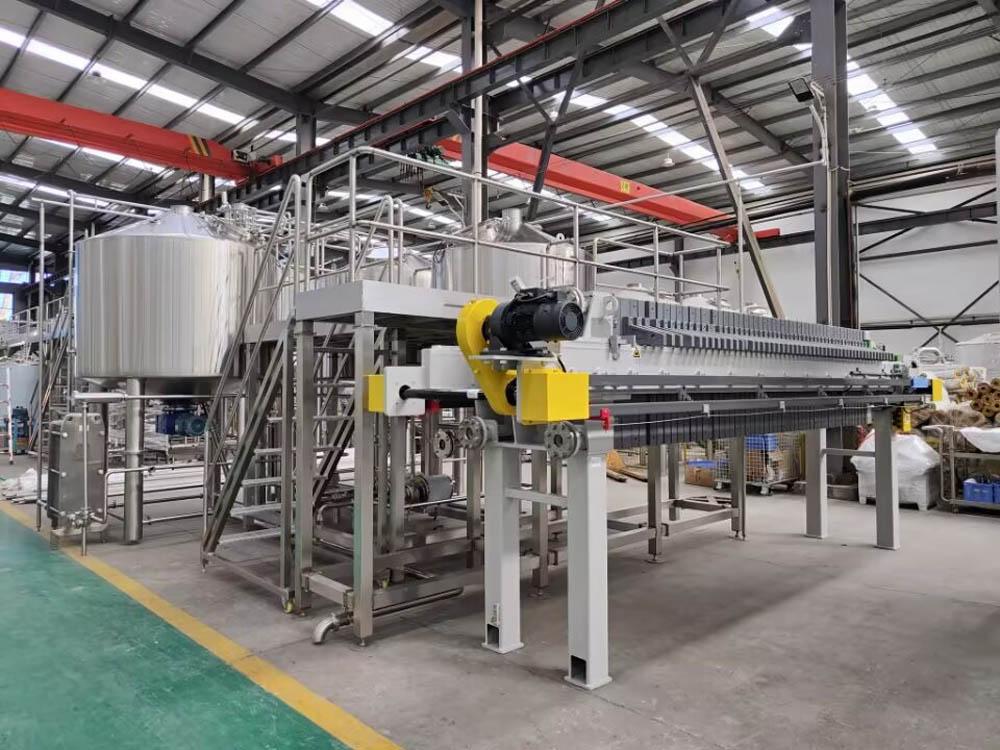
As a result, distillery mash tuns often feature:
Strong agitation systems
Simple vessel structure
Direct transfer to fermentation tanks
Prevent sedimentation
Maintain uniform temperature
Improve enzyme contact with starch
Many distillery mash tuns are equipped with high-torque agitators designed to handle thick mash mixtures.
Typical stages include:
Protein rest: 50–55°C
Saccharification rest: 62–65°C
Dextrinization rest: 70–72°C
These temperature steps help develop the final beer body, mouthfeel, and flavor profile.
A typical approach may include:
Liquefaction at higher temperatures
Saccharification using added enzymes
Modern distilleries frequently add industrial enzymes, such as alpha-amylase and glucoamylase, to improve conversion efficiency.
Breweries require clear wort before boiling and fermentation.
Distilleries do not require clear wort, because distillation later separates alcohol from solids and other compounds.
Therefore:
Brewing emphasizes clarity and filtration
Distilling emphasizes conversion efficiency
The key differences include:
*Beer brewing requires grain filtration and clear wort production
*Distilling focuses on maximum starch conversion without filtration
*Brewing uses roller mills and gentle mixing
*Distilling often uses impact mills and stronger agitation
*Brewing systems require more vessels and process stages
Understanding these differences is essential when designing equipment for breweries or distilleries, as each industry requires a system tailored to its unique production goals.
Proper equipment design ensures efficient starch conversion, stable fermentation performance, and reliable production output.

Are you planning to set up a brewery now? Contact Nicole now to get a complete solution and updated price. Cheers!
Contact Nicole now!
Email: [email protected]
Sales manager of Tiantai beer equipment co
The primary difference can be summarized in one sentence:
Beer mashing is designed to produce clear wort through filtration, while distillery mashing focuses on maximizing starch conversion without the need for filtration.
Because of this difference, brewing and distilling systems vary in grain milling, mash tun design, agitation requirements, and overall process flow.
This article explains the key technical differences between beer mashing systems and distillery mashing systems.
Different Process Goals
Beer Brewing
In beer production, the goal of mashing is to convert starch into sugars and then separate clear wort from the grain solids.Typical process flow:
Mash → Lauter Tun → Clear Wort → Boiling
During the lautering step, the grain bed acts as a natural filter, separating the sweet wort from the spent grain.
Because of this filtration requirement, brewers must maintain a specific grain structure during milling.
Distillery Production
Distillery mashing has a different objective.Instead of producing clear wort, the goal is simply to convert as much starch as possible into fermentable sugars before fermentation and distillation.
Typical process flow:
Mash → Fermentation → Distillation
In many distilleries, the mash contains suspended grain solids when it enters the fermenter. This method is commonly known as grain-in fermentation.
Since no filtration stage is required, distillery mashing systems can operate with finer particle sizes and higher solid content.
Grain Milling Differences
Because beer production requires filtration, the milling process must preserve the grain husk structure.Beer Brewing Milling
Breweries typically use roller mills that gently crack the grain kernels while keeping the husk mostly intact.Typical particle size: 1.2 mm – 2 mm
Benefits include:
Intact husks forming a good filter bed
Reduced fine flour content
Improved lautering performance
Distillery Milling
Distilleries often use hammer mills or claw mills, which rely on high-speed impact to crush grains.Typical particle size: 0.5 mm – 1.2 mm
Advantages include:
Higher starch exposure
Faster enzymatic conversion
Suitable for hard or unmalted grains
Since filtration is not required, a higher proportion of fine particles is acceptable.
Mash Tun Design Differences
Brewing Mash Systems
A brewery typically uses separate vessels for mashing and filtration.Common configuration:
*Mash Tun
*Lauter Tun
*Boiling Kettle
*Whirlpool
The lauter tun contains a false bottom filter plate, which allows clear wort to pass while retaining the grain bed.
Because of the filtration requirement, the mash must remain relatively fluid and well-structured.
Distillery Mash Systems
Distilleries generally do not require a filtration vessel.A typical setup may include:
Mash Tun → Fermenter → Still
The mash tun is mainly responsible for:
Heating and mixing
Enzymatic conversion
Transfer to fermentation
As a result, distillery mash tuns often feature:
Strong agitation systems
Simple vessel structure
Direct transfer to fermentation tanks
Agitation Requirements
Agitation plays a different role in brewing and distilling.Brewing
Mixing must be relatively gentle to avoid damaging the husk structure. Excessive agitation can create too much flour and negatively affect wort filtration.Distilling
Distillery mashes often contain more fine particles and higher solid content. Therefore, stronger agitation is required to:Prevent sedimentation
Maintain uniform temperature
Improve enzyme contact with starch
Many distillery mash tuns are equipped with high-torque agitators designed to handle thick mash mixtures.
Temperature and Enzyme Strategies
Beer Brewing
Brewing often uses multi-step temperature programs to control flavor and fermentability.Typical stages include:
Protein rest: 50–55°C
Saccharification rest: 62–65°C
Dextrinization rest: 70–72°C
These temperature steps help develop the final beer body, mouthfeel, and flavor profile.
Distillery Mashing
Distillery processes focus mainly on maximum starch conversion efficiency.A typical approach may include:
Liquefaction at higher temperatures
Saccharification using added enzymes
Modern distilleries frequently add industrial enzymes, such as alpha-amylase and glucoamylase, to improve conversion efficiency.
Wort Clarity Requirements
Another major difference is the clarity requirement of the mash liquid.Breweries require clear wort before boiling and fermentation.
Distilleries do not require clear wort, because distillation later separates alcohol from solids and other compounds.
Therefore:
Brewing emphasizes clarity and filtration
Distilling emphasizes conversion efficiency
Conclusion
Although beer brewing and distilling share similar terminology and basic biochemical processes, their equipment and operational priorities differ greatly.The key differences include:
*Beer brewing requires grain filtration and clear wort production
*Distilling focuses on maximum starch conversion without filtration
*Brewing uses roller mills and gentle mixing
*Distilling often uses impact mills and stronger agitation
*Brewing systems require more vessels and process stages
Understanding these differences is essential when designing equipment for breweries or distilleries, as each industry requires a system tailored to its unique production goals.
Proper equipment design ensures efficient starch conversion, stable fermentation performance, and reliable production output.
Are you planning to set up a brewery now? Contact Nicole now to get a complete solution and updated price. Cheers!
Contact Nicole now!
Email: [email protected]
Sales manager of Tiantai beer equipment co
.jpg)