
Double Fermentation Kombucha Brewing Equipment
- Dec 29, 2025
- 181
- tiantai
As kombucha production evolves from handcrafted batches to commercial-scale operations, equipment must do more than simply hold liquid. It must support the natural rhythm of fermentation, maintain hygiene standards, and deliver consistent results batch after batch.
Based on a mature double fermentation kombucha process, Tiantai Brewtech designs and manufactures professional kombucha equipment that covers the entire production flow—from tea brewing to fermentation, conditioning, and preparation for bottling.
Raw Materials & Process-Oriented Design
Kombucha is produced from simple raw materials: tea leaves (commonly black tea, as well as oolong or green tea), white sugar, and water.
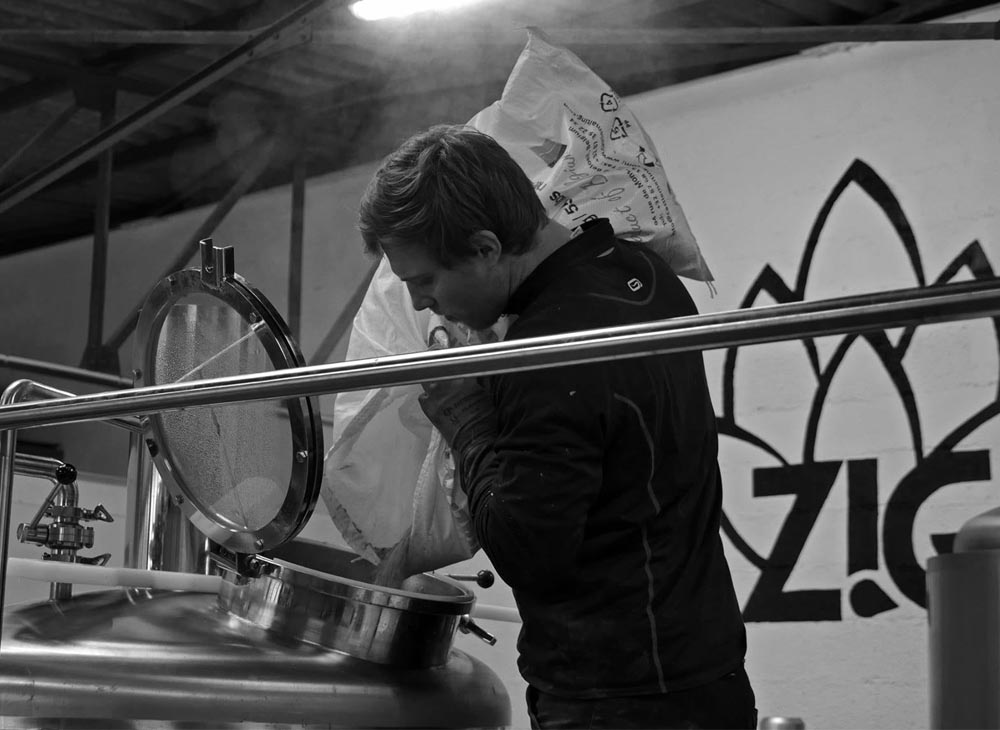
Our equipment is designed to accommodate both tea bags and broken tea leaves, with optional sieve plates to ensure smooth downstream processing.
Stage One: Tea Brewing & Sugar Dissolution
The process begins in a tea brewing kettle equipped with heating and an integrated agitator.
Tea extraction and sugar dissolution take place simultaneously, ensuring a uniform tea concentration and stable sugar content—both critical for consistent fermentation.
After brewing, a plate heat exchanger can be used to rapidly cool the concentrated tea, allowing it to reach the ideal inoculation temperature efficiently.
Primary Fermentation: Open-Top SCOBY Fermentation Tanks
Cooled tea is distributed into open-top primary fermentation tanks, where water is added directly in the tank to achieve the target ratio:
Approx. 20% concentrated tea
Approx. 65% water
Approx. 15% SCOBY starter
Primary fermentation is carried out under atmospheric pressure at around 25°C.
The open-top design allows easy SCOBY handling and removal, supporting the natural activity of the symbiotic culture of yeast and bacteria (SCOBY), which converts sugar into organic acids and trace alcohol, creating kombucha’s characteristic balanced acidity and layered flavor profile.
The primary fermentation cycle typically lasts 10–15 days, in line with traditional kombucha production practices.
Secondary Fermentation: Flavor Control & Product Stability
After primary fermentation, the kombucha is transferred to secondary fermentation tanks.
Approximately 15% of the fermented liquid is retained as starter for the next batch and stored in a dedicated hygienic tank with cooling capability to maintain yeast vitality.
Before secondary fermentation, the liquid passes through diatomaceous earth filtration and membrane filtration, effectively reducing yeast content and improving product stability.
Around 5% fruit juice can then be added for flavor adjustment.
Secondary fermentation tanks are pressure-rated vessels (up to 2 bar), allowing carbonation to take place at this stage.
After a stabilization period of approximately 48 hours, the kombucha is ready for downstream packaging.
Equipment Configuration for Double Fermentation Kombucha
This double fermentation kombucha system is designed around real production needs and includes:
-Tea brewing kettle with heating and agitation
-Open-top primary fermentation tanks with cooling jackets
-Pressure-rated secondary fermentation tanks with cooling jackets
-Plate heat exchanger
-Glycol cooling system
-Portable transfer pumps for inter-tank transfer
-CIP cleaning system
.png)
.png)
.png)
Each piece of equipment is selected and configured to support a specific stage of the kombucha process, ensuring operational clarity and hygienic production.
Written by Amanda
Based on a mature double fermentation kombucha process, Tiantai Brewtech designs and manufactures professional kombucha equipment that covers the entire production flow—from tea brewing to fermentation, conditioning, and preparation for bottling.
Raw Materials & Process-Oriented Design
Kombucha is produced from simple raw materials: tea leaves (commonly black tea, as well as oolong or green tea), white sugar, and water.
Our equipment is designed to accommodate both tea bags and broken tea leaves, with optional sieve plates to ensure smooth downstream processing.
Stage One: Tea Brewing & Sugar Dissolution
The process begins in a tea brewing kettle equipped with heating and an integrated agitator.
Tea extraction and sugar dissolution take place simultaneously, ensuring a uniform tea concentration and stable sugar content—both critical for consistent fermentation.
After brewing, a plate heat exchanger can be used to rapidly cool the concentrated tea, allowing it to reach the ideal inoculation temperature efficiently.
Primary Fermentation: Open-Top SCOBY Fermentation Tanks
Cooled tea is distributed into open-top primary fermentation tanks, where water is added directly in the tank to achieve the target ratio:
Approx. 20% concentrated tea
Approx. 65% water
Approx. 15% SCOBY starter
Primary fermentation is carried out under atmospheric pressure at around 25°C.
The open-top design allows easy SCOBY handling and removal, supporting the natural activity of the symbiotic culture of yeast and bacteria (SCOBY), which converts sugar into organic acids and trace alcohol, creating kombucha’s characteristic balanced acidity and layered flavor profile.
The primary fermentation cycle typically lasts 10–15 days, in line with traditional kombucha production practices.
Secondary Fermentation: Flavor Control & Product Stability
After primary fermentation, the kombucha is transferred to secondary fermentation tanks.
Approximately 15% of the fermented liquid is retained as starter for the next batch and stored in a dedicated hygienic tank with cooling capability to maintain yeast vitality.
Before secondary fermentation, the liquid passes through diatomaceous earth filtration and membrane filtration, effectively reducing yeast content and improving product stability.
Around 5% fruit juice can then be added for flavor adjustment.
Secondary fermentation tanks are pressure-rated vessels (up to 2 bar), allowing carbonation to take place at this stage.
After a stabilization period of approximately 48 hours, the kombucha is ready for downstream packaging.
Equipment Configuration for Double Fermentation Kombucha
This double fermentation kombucha system is designed around real production needs and includes:
-Tea brewing kettle with heating and agitation
-Open-top primary fermentation tanks with cooling jackets
-Pressure-rated secondary fermentation tanks with cooling jackets
-Plate heat exchanger
-Glycol cooling system
-Portable transfer pumps for inter-tank transfer
-CIP cleaning system
Each piece of equipment is selected and configured to support a specific stage of the kombucha process, ensuring operational clarity and hygienic production.
Written by Amanda
Email: [email protected]

.jpg)
