
Why Kombucha Requires Both Open and Closed Fermentation Tanks?
- Jun 17, 2026
- 180
- tiantai
Many newcomers to commercial kombucha production ask the same question:
Why do kombucha systems typically use both open fermentation tanks and closed fermentation tanks?
Unlike beer production, kombucha fermentation involves a unique symbiotic culture of bacteria and yeast (SCOBY), which requires different environmental conditions at different stages of the process. Using the correct type of tank at each stage helps ensure consistent flavor, proper acidity development, and stable product quality.
Let's take a closer look at why both tank designs play an important role in commercial kombucha production.
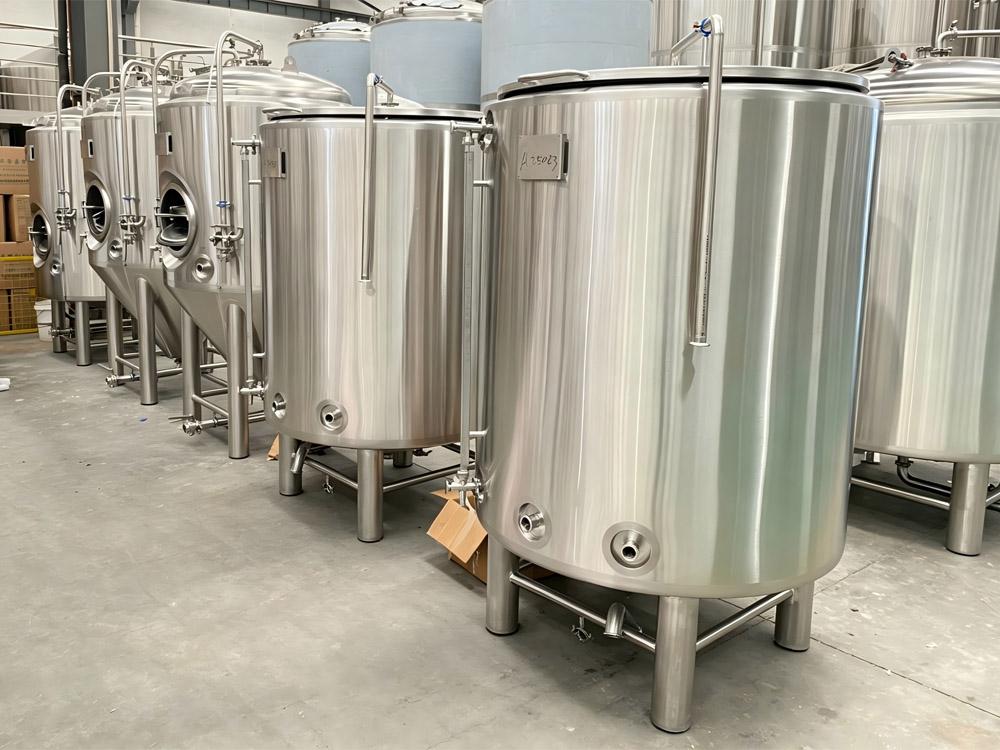
The kombucha process begins by preparing sweetened tea. Tea leaves are brewed in a stainless steel brewing kettle, while sugar is dissolved and mixed to create the fermentation medium. After brewing, the tea is cooled to the desired fermentation temperature before being transferred to the primary fermentation vessel. At this stage, maintaining sanitary conditions and accurate temperature control is essential for successful fermentation.
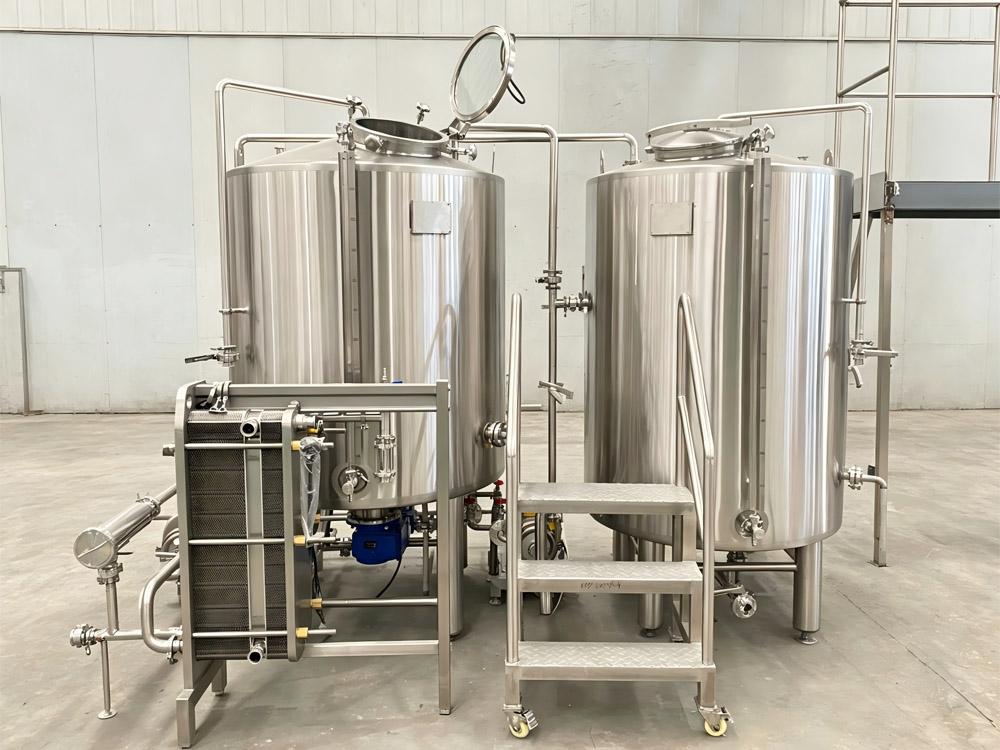
Primary fermentation is where the SCOBY begins converting sugar into organic acids, trace alcohol, and the characteristic flavors of kombucha.
Unlike brewing yeast used in beer production, the acetic acid bacteria within the SCOBY require access to oxygen to function properly. For this reason, commercial kombucha producers often use open fermentation tanks.
· Promotes healthy SCOBY growth
· Encourages development of organic acids
· Supports the characteristic kombucha flavor profile
· Allows easy monitoring of SCOBY formation
During this stage, a cellulose layer gradually forms on the surface of the liquid. This floating culture is one of the defining characteristics of kombucha fermentation. Without sufficient oxygen, bacterial activity can be reduced, potentially affecting flavor development and acidity levels.
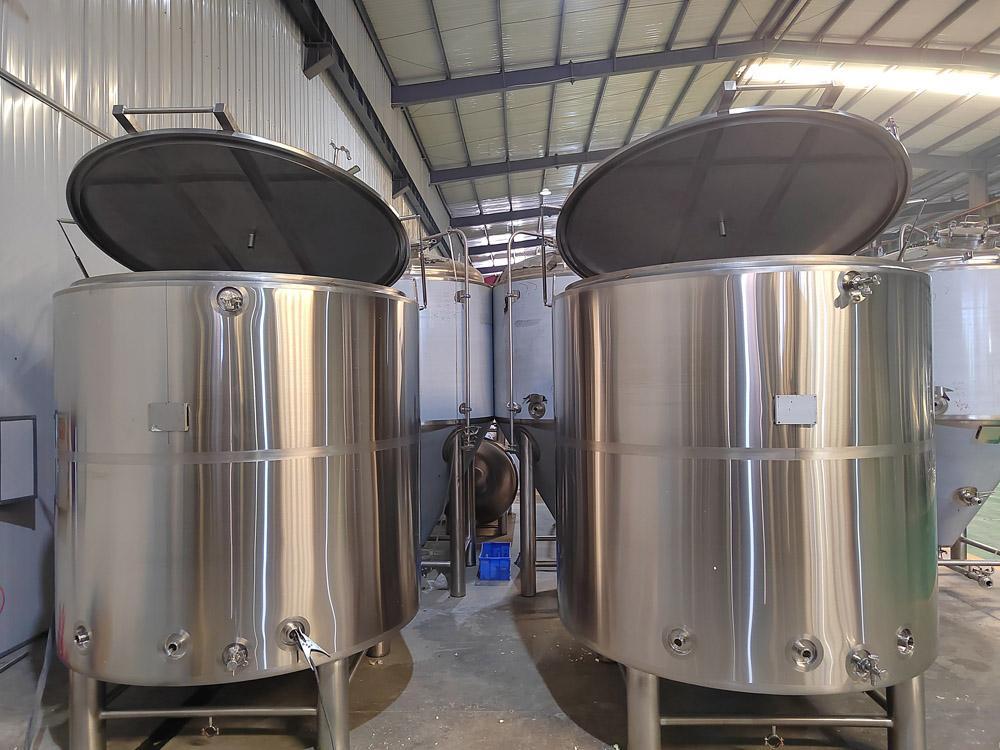
A completely sealed tank may limit oxygen transfer, which can negatively affect SCOBY performance.
While yeast can ferment sugars under low-oxygen conditions, the bacterial component of kombucha fermentation performs best when oxygen is available. Therefore, an open-top fermenter is generally the preferred choice for primary fermentation.
Once the desired acidity and flavor profile have been achieved, kombucha is transferred to a closed conditioning tank.
At this stage, the production goals change significantly. The focus shifts from SCOBY growth to:
· Flavor stabilization
· Clarification
· Carbonation management
· Product consistency
· Preparation for packaging
A closed stainless steel tank provides a controlled environment that protects the beverage from contamination and excessive oxidation.
· Better flavor consistency
· Improved product clarity
· Reduced risk of contamination
· Controlled carbonation
· Easier packaging operations
· Longer shelf life
Many commercial kombucha producers also perform natural carbonation or forced carbonation during this stage before filling bottles or cans.
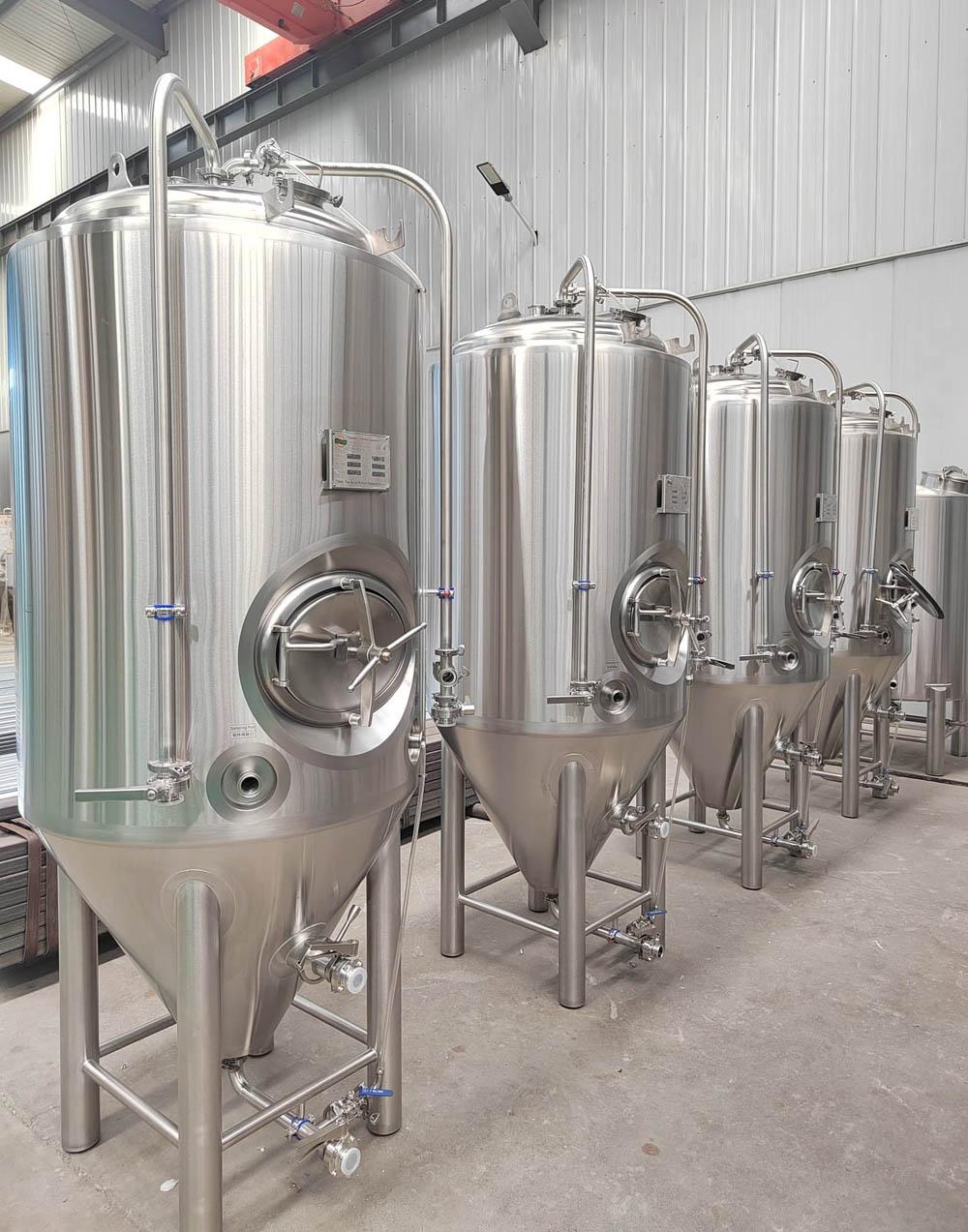
Technically, it is possible to complete the entire process in a single vessel. However, for commercial production, this approach often sacrifices process control and production efficiency. Using separate open and closed tanks allows producers to optimize each fermentation stage independently while increasing overall production capacity. As production volumes grow, dedicated vessels become increasingly important for maintaining product consistency from batch to batch.
A commercial kombucha facility commonly follows this process:
Tea Brewing System
↓
Open Fermentation Tank
↓
Closed Conditioning Tank
↓
Carbonation (Optional)
↓
Bottling or Canning
This workflow combines the biological requirements of the SCOBY with the operational requirements of modern beverage production.
Every kombucha producer has unique production goals, fermentation methods, and capacity requirements. Whether you are starting a craft kombucha brand or expanding into large-scale commercial production, selecting the proper fermentation equipment is critical for achieving consistent product quality.
Tiantai Brewtech provides complete kombucha production solutions, including tea brewing systems, open fermentation tanks, conditioning tanks, cooling systems, CIP units, and packaging equipment. Our engineering team can customize the system according to your production process and target capacity.
If you are planning a kombucha project, feel free to contact us for technical consultation and equipment recommendations. Cheers!
Email: [email protected]
Sales manager of Tiantai beer equipment co
Why do kombucha systems typically use both open fermentation tanks and closed fermentation tanks?
Unlike beer production, kombucha fermentation involves a unique symbiotic culture of bacteria and yeast (SCOBY), which requires different environmental conditions at different stages of the process. Using the correct type of tank at each stage helps ensure consistent flavor, proper acidity development, and stable product quality.
Let's take a closer look at why both tank designs play an important role in commercial kombucha production.
Step 1: Brewing the Sweet Tea Base
The kombucha process begins by preparing sweetened tea. Tea leaves are brewed in a stainless steel brewing kettle, while sugar is dissolved and mixed to create the fermentation medium. After brewing, the tea is cooled to the desired fermentation temperature before being transferred to the primary fermentation vessel. At this stage, maintaining sanitary conditions and accurate temperature control is essential for successful fermentation.
Step 2: Primary Fermentation in an Open Tank
Primary fermentation is where the SCOBY begins converting sugar into organic acids, trace alcohol, and the characteristic flavors of kombucha.Unlike brewing yeast used in beer production, the acetic acid bacteria within the SCOBY require access to oxygen to function properly. For this reason, commercial kombucha producers often use open fermentation tanks.
Benefits of Open Fermentation
· Provides oxygen exposure for acetic acid bacteria· Promotes healthy SCOBY growth
· Encourages development of organic acids
· Supports the characteristic kombucha flavor profile
· Allows easy monitoring of SCOBY formation
During this stage, a cellulose layer gradually forms on the surface of the liquid. This floating culture is one of the defining characteristics of kombucha fermentation. Without sufficient oxygen, bacterial activity can be reduced, potentially affecting flavor development and acidity levels.
Why Not Use a Closed Tank for Primary Fermentation?
A completely sealed tank may limit oxygen transfer, which can negatively affect SCOBY performance.While yeast can ferment sugars under low-oxygen conditions, the bacterial component of kombucha fermentation performs best when oxygen is available. Therefore, an open-top fermenter is generally the preferred choice for primary fermentation.
Step 3: Secondary Fermentation in a Closed Tank
Once the desired acidity and flavor profile have been achieved, kombucha is transferred to a closed conditioning tank.At this stage, the production goals change significantly. The focus shifts from SCOBY growth to:
· Flavor stabilization
· Clarification
· Carbonation management
· Product consistency
· Preparation for packaging
A closed stainless steel tank provides a controlled environment that protects the beverage from contamination and excessive oxidation.
Benefits of Closed Fermentation and Conditioning Tanks
· Better flavor consistency· Improved product clarity
· Reduced risk of contamination
· Controlled carbonation
· Easier packaging operations
· Longer shelf life
Many commercial kombucha producers also perform natural carbonation or forced carbonation during this stage before filling bottles or cans.
Can One Tank Perform Both Functions?
Technically, it is possible to complete the entire process in a single vessel. However, for commercial production, this approach often sacrifices process control and production efficiency. Using separate open and closed tanks allows producers to optimize each fermentation stage independently while increasing overall production capacity. As production volumes grow, dedicated vessels become increasingly important for maintaining product consistency from batch to batch.
A Typical Commercial Kombucha Production Flow
A commercial kombucha facility commonly follows this process:
Tea Brewing System
↓
Open Fermentation Tank
↓
Closed Conditioning Tank
↓
Carbonation (Optional)
↓
Bottling or Canning
This workflow combines the biological requirements of the SCOBY with the operational requirements of modern beverage production.
Choosing the Right Kombucha Equipment
Every kombucha producer has unique production goals, fermentation methods, and capacity requirements. Whether you are starting a craft kombucha brand or expanding into large-scale commercial production, selecting the proper fermentation equipment is critical for achieving consistent product quality.Tiantai Brewtech provides complete kombucha production solutions, including tea brewing systems, open fermentation tanks, conditioning tanks, cooling systems, CIP units, and packaging equipment. Our engineering team can customize the system according to your production process and target capacity.
If you are planning a kombucha project, feel free to contact us for technical consultation and equipment recommendations. Cheers!
Email: [email protected]
Sales manager of Tiantai beer equipment co
.jpg)

