When we can consider wet milling system for brewery
- Jul 07, 2026
- 180
- tiantai
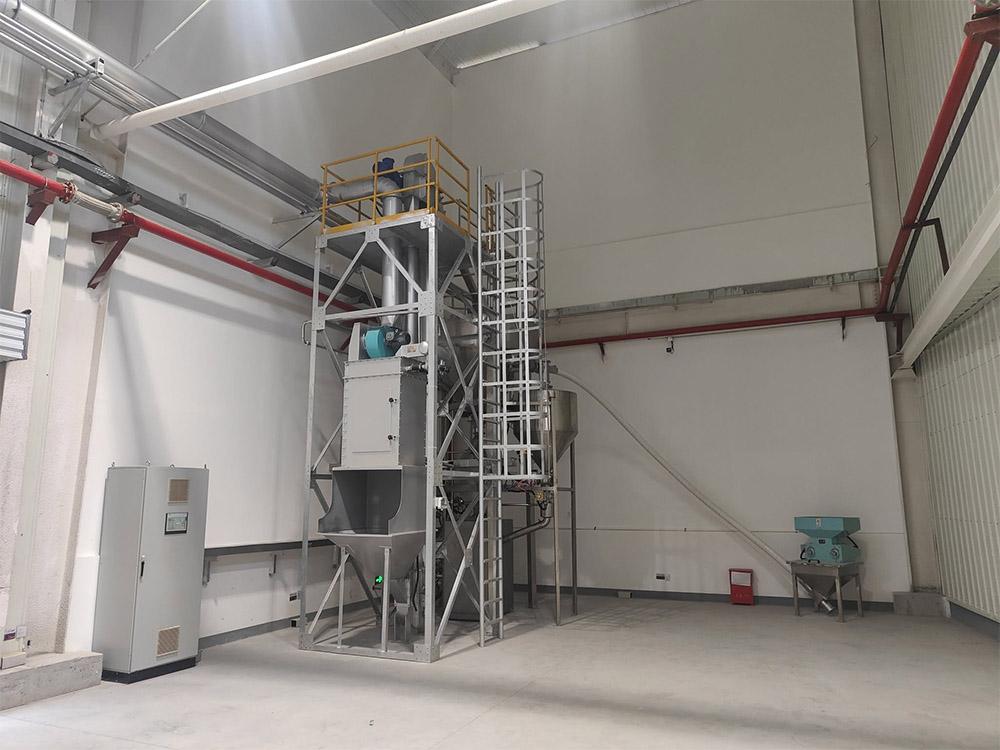
A wet milling system is a malt milling process in which the malt is conditioned with a small amount of water immediately before milling. The added moisture makes the husks more flexible, allowing them to remain largely intact while the endosperm is finely crushed.
While the wet milling system is not necessary for every brewery. It becomes a good investment when a brewery wants to improve extract efficiency, increase brewhouse capacity, and automate grain handling. It is commonly used in medium to large commercial breweries rather than small craft breweries.
Here are the situations when you should consider a wet milling system:
1. Larger brewing capacity
A wet mill is generally recommended for breweries producing:
* 20 HL/batch and above with frequent brewing
* Breweries operating 2–6 brews per day
* Annual production above 3,000–5,000 HL
At this scale, the higher malt miller investment can be justified by improved efficiency and labor savings.
2. Looking for Higher Extract Efficiency
Wet milling keeps the husks largely intact while finely grinding the endosperm, resulting in:
* Better lautering performance
* Higher brewing extract yield (typically 0.5–2% improvement)
* Reducing risk of stuck mash
3. Faster Lautering
Because the husks remain intact, they form a better filter bed:
* Shorter lautering time
* Higher brewhouse throughput
* Possibility of adding an extra brew each day
4. Automated Grain Handling
Wet milling is ideal when the brewery already has:
* Malt silos
* Flexible screw or pneumatic conveying
* Automated grain weighing
* PLC-controlled brewhouse
The system can automatically add water and deliver conditioned malt directly to the mash tun.
5. Dust Reduction
Compared with dry milling:
* Almost no grain dust
* Cleaner production environment
* Lower explosion risk
* Reduced cleaning requirements
6. Protecting Husk Quality
The intact husks help create an effective filtration bed, especially when brewing:
* High-gravity beers
* Wheat beers
* Recipes with adjuncts
The difference between wet milling and dry milling:
Tiantai, provides turnkey solutions on beer equipment, winery equipment, distiller equipment, cider equipment, kombucha equipment, beverage equipment, fermentation equipment etc. If you are looking for grain milling solutions, we are at your disposal anytime.
Derrick
Sales Manager
[email protected]
Tiantai Beer Equipment
While the wet milling system is not necessary for every brewery. It becomes a good investment when a brewery wants to improve extract efficiency, increase brewhouse capacity, and automate grain handling. It is commonly used in medium to large commercial breweries rather than small craft breweries.
Here are the situations when you should consider a wet milling system:
1. Larger brewing capacity
A wet mill is generally recommended for breweries producing:
* 20 HL/batch and above with frequent brewing
* Breweries operating 2–6 brews per day
* Annual production above 3,000–5,000 HL
At this scale, the higher malt miller investment can be justified by improved efficiency and labor savings.
2. Looking for Higher Extract Efficiency
Wet milling keeps the husks largely intact while finely grinding the endosperm, resulting in:
* Better lautering performance
* Higher brewing extract yield (typically 0.5–2% improvement)
* Reducing risk of stuck mash
3. Faster Lautering
Because the husks remain intact, they form a better filter bed:
* Shorter lautering time
* Higher brewhouse throughput
* Possibility of adding an extra brew each day
4. Automated Grain Handling
Wet milling is ideal when the brewery already has:
* Malt silos
* Flexible screw or pneumatic conveying
* Automated grain weighing
* PLC-controlled brewhouse
The system can automatically add water and deliver conditioned malt directly to the mash tun.
5. Dust Reduction
Compared with dry milling:
* Almost no grain dust
* Cleaner production environment
* Lower explosion risk
* Reduced cleaning requirements
6. Protecting Husk Quality
The intact husks help create an effective filtration bed, especially when brewing:
* High-gravity beers
* Wheat beers
* Recipes with adjuncts
The difference between wet milling and dry milling:
| Item | Wet Milling | Dry Milling |
| Extract efficiency | Higher | Standard |
| Husk protection | Excellent | Good |
| Lautering speed | Faster | Normal |
| Dust generation | Very low | Higher |
| Equipment cost | Higher | Lower |
| Maintenance | More complex | Simpler |
| Water consumption | Slightly higher | None |
| Best for | Medium to large breweries | Small to medium breweries |
Tiantai, provides turnkey solutions on beer equipment, winery equipment, distiller equipment, cider equipment, kombucha equipment, beverage equipment, fermentation equipment etc. If you are looking for grain milling solutions, we are at your disposal anytime.
Derrick
Sales Manager
[email protected]
Tiantai Beer Equipment